

The impact of your credit score on car insurance rates in Nevada is a crucial yet often overlooked factor for drivers. Understanding the credit score car insurance Nevada connection can significantly influence how much you pay for coverage. In this article, we’ll explore the Nevada credit impact on insurance rates, shedding light on how your financial history plays a role in determining your premiums. We will also examine car insurance factors beyond credit scores that can affect your rates, providing a comprehensive overview of what insurers consider when calculating premiums. Furthermore, we’ll discuss actionable steps to improve your credit score, ultimately helping you secure better insurance rates. Making informed insurance choices is essential for both your financial health and peace of mind. By the end of this article, you’ll have a clearer understanding of how to navigate the complexities of car insurance in Nevada while leveraging your credit score for better outcomes. For more insights on how credit scores affect insurance, visit Consumer Financial Protection Bureau.
Understanding the Credit Score Car Insurance Nevada Connection
What is a Credit Score?
A credit score is a numerical representation of an individual’s creditworthiness, typically ranging from 300 to 850. This score is calculated based on various financial behaviors, including payment history, amounts owed, length of credit history, new credit inquiries, and types of credit used. The three main credit bureaus, Experian, Equifax, and TransUnion, collect and analyze this information to generate a score that lenders and insurers use to assess risk.
How Insurance Companies Use Credit Scores
Insurance companies, including those in Nevada, utilize credit scores as a significant factor when determining car insurance rates. Research has shown that individuals with higher credit scores tend to file fewer claims, making them less risky to insure. As a result, these individuals often benefit from lower insurance rates. Conversely, those with lower credit scores may face higher premiums due to the perceived risk associated with their financial behavior.
In Nevada, the credit score car insurance connection is particularly relevant, as state regulations permit insurers to consider credit scores when calculating premiums. This means that maintaining a healthy credit score can lead to substantial savings on car insurance rates. According to a study by the Insurance Information Institute, drivers with poor credit can pay significantly more for their policies compared to those with good credit.
Understanding how your credit impacts your car insurance is crucial. To improve your credit score, consider paying bills on time, reducing debt, and checking your credit report for errors. By proactively managing your credit, you can potentially lower your insurance rates and benefit from the favorable rates offered by insurers in Nevada.
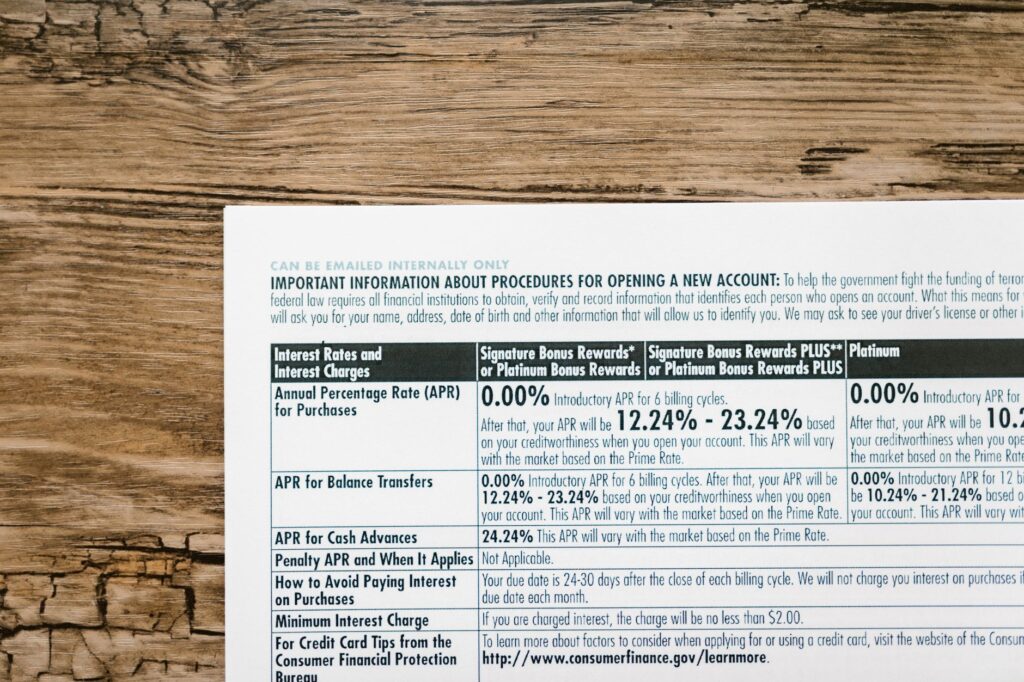
The Nevada Credit Impact on Insurance Rates
How Credit Scores Affect Insurance Premiums
Your credit score plays a significant role in determining your car insurance premiums in Nevada. Insurers often assess credit history as a measure of risk, which can lead to substantial differences in insurance rates. According to a study by the National Institute of Justice, individuals with poor credit scores can pay up to 100% more for car insurance compared to those with excellent scores. This statistic underscores the importance of maintaining a strong credit rating not only for borrowing purposes but also for securing lower insurance premiums.
In Nevada, the credit score car insurance Nevada landscape shows that drivers with good credit ratings, typically defined as 700 and above, often enjoy significantly lower premiums. Conversely, those with scores below 600 may find themselves paying considerably more for similar coverage. This disparity is attributed to the perceived risk associated with lower credit scores, as insurers believe that individuals with poor credit are more likely to file claims.
Comparing Insurance Rates and Credit in Nevada
When evaluating the Nevada credit impact on insurance rates, it’s crucial to consider the average premiums associated with various credit score ranges. For instance, drivers with a score of 750 or higher might pay an average premium of around $1,200 annually, while those with a score between 600 and 649 could face premiums nearing $2,400. These numbers illustrate how essential it is to monitor your credit health if you reside in Nevada.
Moreover, a report from Nolo indicates that approximately 60% of insurance providers in Nevada utilize credit scores as a significant factor when calculating rates. This statistic highlights the importance of understanding how credit scores can influence insurance costs and emphasizes the need for consumers to take proactive steps in managing their credit health.

To mitigate the impact of a low credit score on your insurance rates, consider strategies such as timely bill payments, reducing existing debts, and regularly reviewing your credit report for inaccuracies. By improving your credit profile, you can potentially lower your insurance premiums and save money over time. For more insights on how to enhance your credit score and its effect on car insurance factors, visit how credit affects insurance rates.
Car Insurance Factors Beyond Credit Scores
While your credit score plays a significant role in determining car insurance rates in Nevada, it is not the only factor that insurers consider. Understanding the other elements that influence your premiums can help you make informed decisions when shopping for coverage.
Other Factors Influencing Car Insurance Rates
Several key factors can impact your insurance rates, including:
- Driving History: Your past driving behavior is one of the most critical aspects insurers evaluate. A clean driving record with no accidents or violations can lead to lower premiums, while a history of accidents, speeding tickets, or DUIs can significantly increase your rates.
- Vehicle Type: The make, model, and year of your vehicle also affect your car insurance costs. High-performance cars or those with a history of theft may come with higher premiums, whereas safer, more reliable vehicles often qualify for discounts.
- Geographic Location: Where you live can greatly influence your insurance rates. Urban areas with higher traffic congestion and crime rates tend to have higher premiums compared to rural areas. Insurers assess the local risk factors to determine rates, including the likelihood of accidents and theft.
The Role of Driving History and Location in Credit Score Car Insurance Nevada
In Nevada, the credit score car insurance connection is vital, but your driving history and location also play crucial roles. A driver with a stellar credit score but a poor driving record may still face high insurance rates. Conversely, a driver with a less-than-perfect credit score but an excellent driving history and residing in a low-risk area could enjoy more favorable rates. Understanding these dynamics can help you mitigate the Nevada credit impact on your premiums.
Ultimately, while maintaining a good credit score is essential, it should be viewed as part of a broader strategy to manage your car insurance factors. By focusing on improving your driving record and being mindful of your vehicle choice and location, you can further optimize your insurance rates. For more detailed insights on how to lower your premiums, consider exploring additional resources on Nevada’s Department of Insurance website.
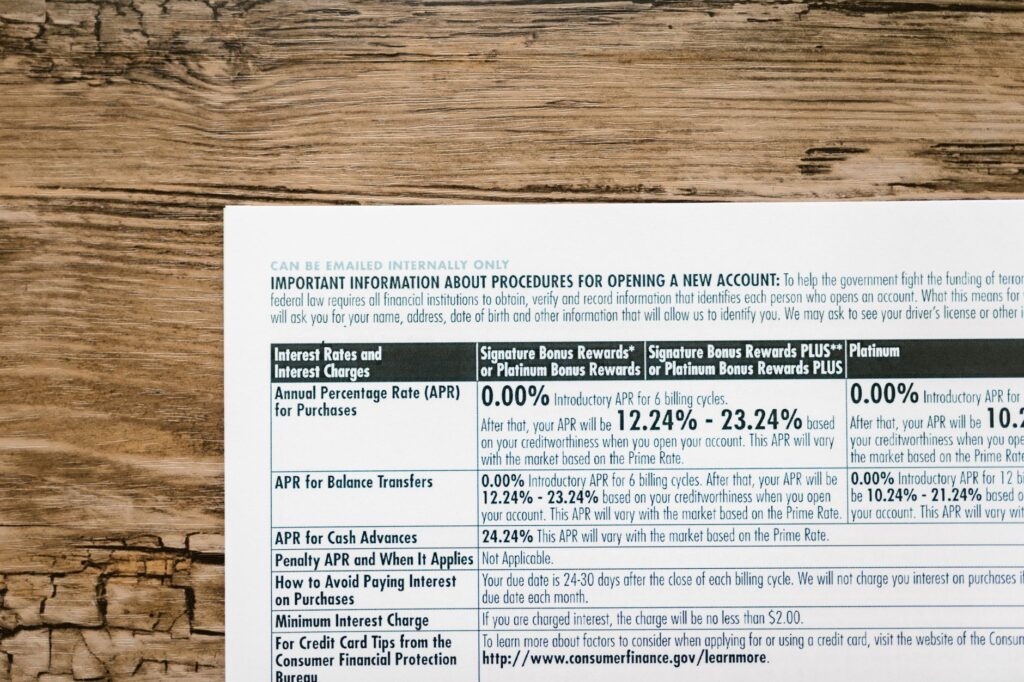
Improving Your Credit Score for Better Insurance Rates
Your credit score significantly influences your insurance rates in Nevada. A higher credit score can lead to lower premiums, while a poor score may result in higher costs. Understanding how to enhance your credit score can have a direct impact on your car insurance factors, ultimately helping you save money. Below are actionable tips and long-term strategies for boosting your credit score.
Tips to Boost Your Credit Score
Improving your credit score is not an overnight process, but there are several immediate steps you can take to start making progress:
- Pay Your Bills on Time: Timeliness is crucial. Late payments can severely damage your credit score. Set up automatic payments or reminders to ensure you stay on track.
- Reduce Your Debt: High credit utilization can lower your score. Aim to keep your credit card balances below 30% of your total available credit. Paying off high-interest debts first can be a beneficial approach.
- Check Your Credit Report Regularly: Errors in your credit report can negatively impact your score. Obtain your free credit report annually from AnnualCreditReport.com and dispute any inaccuracies.
- Limit New Credit Applications: Each new credit inquiry can lower your score. Only apply for new credit when necessary.
Implementing these strategies can enhance your credit score and, consequently, lead to improved insurance rates.
Long-term Strategies for Better Insurance Rates
Once you’ve established a foundation for improving your credit score, consider these long-term strategies:
- Maintain a Diverse Credit Mix: A blend of credit types, such as revolving accounts and installment loans, can positively affect your credit score.
- Keep Old Accounts Open: The length of your credit history plays a role in your score. Keeping older accounts open, even if unused, can be beneficial.
- Stay Informed About Your Credit: Regularly monitor your credit score to understand what impacts it and adjust your financial habits accordingly.
By focusing on these long-term goals, you can improve your credit score car insurance Nevada and enjoy lower premiums over time. Keep in mind that the Nevada credit impact on your insurance rates is significant, making it essential to stay proactive in managing your credit.
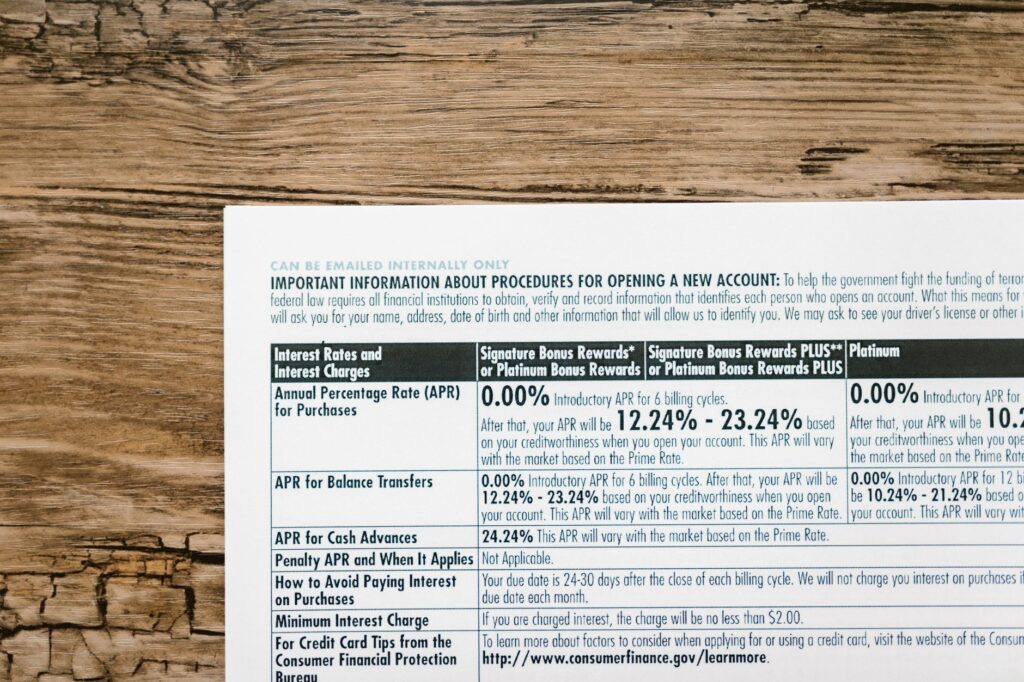
For further insights on how credit scores influence your insurance, explore resources like credit scores car insurance Nevada and The Impact of Credit Scores on Car Insurance Rates in Nevada.
Conclusion: Making Informed Insurance Choices
Understanding Your Insurance Policy and Credit Score Car Insurance Nevada
Understanding the relationship between your credit score and car insurance rates is crucial for Nevada drivers. A lower credit score can significantly increase your insurance rates and credit, as insurers view credit history as a predictor of risk. In Nevada, this credit impact can be particularly pronounced, making it essential for policyholders to be aware of how their financial behavior influences their premiums. By maintaining a good credit score, not only can you save money on insurance, but you can also improve your overall financial health.
Consulting with Insurance Agents
To navigate the complexities of car insurance factors related to credit, consulting with insurance professionals is advisable. Agents can provide personalized advice tailored to your specific situation, helping you understand how your credit score affects your premiums and what steps you can take to mitigate any negative impacts. They can also assist in comparing different policies to ensure you receive the best coverage at the most competitive rates. Engaging with a knowledgeable agent can empower you to make informed decisions that align with your financial goals.
Ultimately, understanding your credit score’s impact on your car insurance rates in Nevada is vital for making sound financial choices. By proactively managing your credit and seeking expert advice, you can optimize your insurance costs while ensuring adequate coverage. If you’re looking to improve your credit score further, consider implementing a strategic plan based on financial best practices. This will not only benefit your insurance rates but also enhance your overall financial well-being.

Your credit score plays a significant role in determining your car insurance rates in Nevada. Insurers often consider this score alongside other car insurance factors to assess risk and set premiums. Understanding the Nevada credit impact can empower you to take proactive steps toward improving your score, which may lead to lower insurance rates and credit benefits in the long run.
As you navigate the complexities of car insurance in Nevada, be sure to review your credit report regularly and address any inaccuracies. By maintaining a healthy credit profile, you can potentially save money on your premiums. For those seeking to lower their insurance costs, consider shopping around and comparing offers from various providers that take your credit score into account. Taking these steps can lead to more favorable insurance rates and enhance your overall financial health.
“`html
How does my credit score affect car insurance rates in Nevada?
Your credit score significantly impacts car insurance rates in Nevada. Insurers often use credit scores to assess risk, with lower scores indicating higher risk. This can lead to higher premiums for those with poor credit. Studies show a correlation between credit scores and the likelihood of filing claims, which is why many insurance companies factor in credit when determining rates. Maintaining a good credit score can help you secure more affordable car insurance rates.
What is considered a good credit score for car insurance?
A good credit score for car insurance is typically above 700. Scores in this range are generally viewed favorably by insurers, leading to lower premiums. However, exact thresholds can vary by company. Scores between 650 and 700 may still yield competitive rates, while scores below 650 may result in higher premiums. It’s important to check with your specific insurer to understand their criteria for evaluating credit scores in relation to insurance rates.
Can I get car insurance without a credit score in Nevada?
How can I improve my credit score for better insurance rates?
Improving your credit score can lead to better insurance rates in Nevada. Start by paying bills on time, reducing credit card balances, and avoiding new debt. Regularly check your credit report for errors and dispute any inaccuracies. Establishing a mix of credit types, such as installment loans and credit cards, can also benefit your score. Consistent financial responsibility over time will reflect positively and potentially lower your car insurance premiums.
What other factors affect car insurance rates besides credit?
Besides credit scores, several other factors influence car insurance rates. These include your driving history, age, gender, location, the type of vehicle you drive, and the amount of coverage you choose. Insurance companies also consider claims history, as a record of frequent claims can lead to higher premiums. Understanding these car insurance factors will help you make informed decisions to manage your rates effectively.
How often do insurance companies check my credit score?
Insurance companies typically check your credit score when you apply for a new policy and may review it during renewals. However, the frequency can vary by insurer. Many companies utilize a soft inquiry for renewals, which does not affect your credit score. It’s important to note that your credit score can change over time, so regular monitoring is advisable to maintain a good standing for better insurance rates.
“`