

The rise of usage-based car insurance in Nevada marks a significant shift in how drivers can approach vehicle coverage. This innovative insurance model, which incorporates telematics technology to monitor driving behavior, offers a tailored approach to premiums based on actual usage and driving habits. In this article, we will delve into the various aspects of usage-based car insurance, including its advantages and disadvantages, and how it compares to traditional policies such as pay-per-mile insurance. Moreover, we will explore current Nevada insurance trends that are shaping the market, and discuss the implications of telematics insurance for both consumers and providers. By navigating the usage-based car insurance market in Nevada, drivers can make informed decisions about whether this model is the right fit for their needs. Join us as we weigh the pros and cons of this evolving insurance landscape.
Understanding Usage-Based Car Insurance in Nevada
What is Usage-Based Car Insurance?
Usage-based car insurance is a type of auto insurance that bases premiums on the driving behavior of the policyholder. This innovative model leverages telematics technology to collect data about how, when, and where you drive. By analyzing this data, insurers can offer more personalized rates that reflect individual risk levels rather than relying solely on traditional metrics like age or credit score. In Nevada, this approach has gained traction as more drivers seek ways to save on premiums while being rewarded for safe driving habits.
How Does It Work in Nevada?
In Nevada, usage-based car insurance operates primarily through telematics devices, which can be installed in vehicles or integrated into mobile apps. These devices track various metrics such as speed, acceleration, braking patterns, and the time of day when driving occurs. For instance, safer driving behaviors, like smooth acceleration and braking, can lead to lower insurance premiums, while risky habits may increase costs. This data-driven approach aligns with recent Nevada insurance trends, which show a growing interest in personalized insurance models.
Statistics indicate that approximately 15% of Nevada drivers have adopted some form of usage-based car insurance, with many opting for pay-per-mile insurance plans. These plans not only cater to those who drive less but also provide significant savings for safe drivers. The integration of telematics insurance is paving the way for a more dynamic and responsive insurance market in the state.

As the demand for more tailored insurance solutions rises, understanding the mechanics of usage-based car insurance in Nevada can empower consumers to make informed choices. For those considering this option, it’s essential to evaluate personal driving habits and potential savings compared to traditional insurance models. usage-based insurance
Pros of Usage-Based Car Insurance in Nevada
Cost Savings Potential with Usage-Based Car Insurance Nevada
One of the most appealing aspects of usage-based car insurance in Nevada is the potential for cost savings. Traditionally, insurance premiums are based on generalized factors such as age, location, and driving history. However, with pay-per-mile insurance, you pay based on your actual driving habits. For instance, if you are a safe driver who rarely drives long distances, you could see significant savings compared to conventional insurance plans. According to a study by Insurance Information Institute, safe drivers can save an average of 30% on their premiums through usage-based models.
Telematics insurance allows insurers to monitor your driving behaviors, such as speed, braking patterns, and time of day when driving occurs. This real-time data enables insurers to reward safe driving habits with lower rates. A case study from Forbes highlights that drivers using telematics can save anywhere from 10% to 50% on their premiums, depending on their driving behavior. As Nevada insurance trends shift towards personalized pricing, this model is becoming increasingly popular.
Personalized Premiums in Usage-Based Car Insurance Nevada
Another significant advantage of usage-based car insurance is the ability to have personalized premiums tailored to your specific driving habits. Unlike traditional insurance, which applies a one-size-fits-all approach, pay-per-mile insurance considers how often and how safely you drive. This means that if you are a cautious driver who adheres to speed limits and avoids risky behaviors, you can significantly benefit from lower premiums. The flexibility of personalized premiums also aligns with the growing demand for insurance solutions that reflect individual lifestyles.
With the incorporation of advanced telematics technology, insurers can provide real-time feedback to drivers, encouraging safer driving practices. This not only leads to potential savings but also promotes road safety. Insurers are increasingly recognizing the value of this data, making it a vital aspect of modern insurance offerings. Overall, the advantages of usage-based car insurance in Nevada present compelling reasons for drivers to consider this innovative approach.

Cons of Usage-Based Car Insurance in Nevada
Privacy Concerns in Usage-Based Car Insurance Nevada
One of the most significant drawbacks of usage-based car insurance in Nevada is the privacy concerns associated with telematics insurance. These policies often require drivers to install a device or use a mobile app that tracks various driving behaviors, such as speed, braking patterns, and mileage. While this data can help insurers assess risk more accurately, it also raises questions about how that information is collected, stored, and used.
According to a Consumer Reports study, many consumers express discomfort with the idea of insurance companies monitoring their driving habits. The potential for data breaches or misuse of personal information can deter individuals from opting for pay-per-mile insurance or other telematics-based options. This concern is particularly relevant in a state like Nevada, where privacy laws are evolving but may not fully protect consumers from invasive practices.
Limited Coverage Options with Usage-Based Car Insurance Nevada
Another con of usage-based car insurance in Nevada is the limited coverage options that may not suit all drivers. While these policies can be advantageous for those who drive infrequently or practice safe driving habits, they might not provide sufficient coverage for high-mileage drivers or those who require comprehensive protection.
Experts note that many telematics insurance companies offer fewer choices in terms of policy customization, which can leave drivers feeling boxed in. For instance, if a driver frequently travels long distances for work or leisure, a pay-per-mile insurance plan could end up being more costly compared to traditional insurance options. According to Nevada insurance trends, consumers should carefully evaluate their driving patterns before opting for usage-based insurance, as the potential savings may not outweigh the limitations in coverage.
Ultimately, while usage-based car insurance can be beneficial, potential users should weigh these concerns against their personal driving habits and insurance needs.

Navigating the Usage-Based Car Insurance Market in Nevada
Choosing the Right Provider for Usage-Based Car Insurance Nevada
When exploring usage-based car insurance in Nevada, selecting the right provider is crucial. Start by identifying companies that offer telematics insurance, as these policies typically utilize technology to track your driving habits. Consider the discounts offered for safe driving, which can significantly reduce your premiums. Some providers may also offer incentives for low mileage, making pay-per-mile insurance an attractive option for infrequent drivers.
Customer service ratings are another essential factor. Look for reviews and testimonials about responsiveness and claims handling. Websites like J.D. Power provide insights into customer satisfaction ratings across various providers. This information can help you gauge which companies prioritize customer care and support.
Comparing Policies in the Usage-Based Car Insurance Nevada Market
Once you have a shortlist of potential providers, it’s time to compare their policies. Look closely at the terms and conditions, coverage options, and any limitations that may affect your experience. Pay particular attention to how each provider collects data. Understanding the privacy aspects of telematics insurance is essential, as some drivers may have concerns about how their driving data is used.
Assess your driving habits and needs to find a policy that aligns well with your lifestyle. If you drive infrequently, a pay-per-mile insurance model might be more cost-effective. Conversely, if you have a consistent driving pattern, a traditional plan with usage-based discounts could yield better long-term savings. Always ensure that you are aware of the latest Nevada insurance trends that may impact your choices.
By carefully evaluating providers and policies, you can make informed decisions and find the best usage-based car insurance for your needs in Nevada.

Conclusion: Is Usage-Based Car Insurance Right for You?
As you consider the potential benefits and drawbacks of usage-based car insurance in Nevada, it is essential to reflect on your driving habits and financial situation. This innovative approach to auto insurance can offer significant savings for safe drivers, but it may not be the best fit for everyone. The key advantages, such as personalized premiums and potential discounts, stand against possible downsides including privacy concerns and fluctuating costs.
For many drivers, especially those who engage in low mileage, pay-per-mile insurance can provide substantial savings while rewarding safe driving behaviors. However, if you frequently drive long distances or have inconsistent driving patterns, the costs could outweigh the benefits. In Nevada, insurance trends indicate a growing interest in telematics insurance, making it vital to evaluate whether this model aligns with your lifestyle.
Before making a decision, consider the following factors:
- Your Driving Frequency: Are you a high or low mileage driver?
- Driving Behavior: How often do you drive safely and avoid risky situations?
- Privacy Concerns: Are you comfortable with your driving data being monitored?
- Financial Goals: Do potential savings outweigh any risks or concerns?
As you weigh your options, staying informed about Nevada insurance trends will help you make a more educated choice. The landscape of auto insurance is changing, and embracing new models like usage-based car insurance in Nevada could lead to significant advantages. Always remember to review your individual circumstances and seek advice if needed to find the best insurance solution for you.
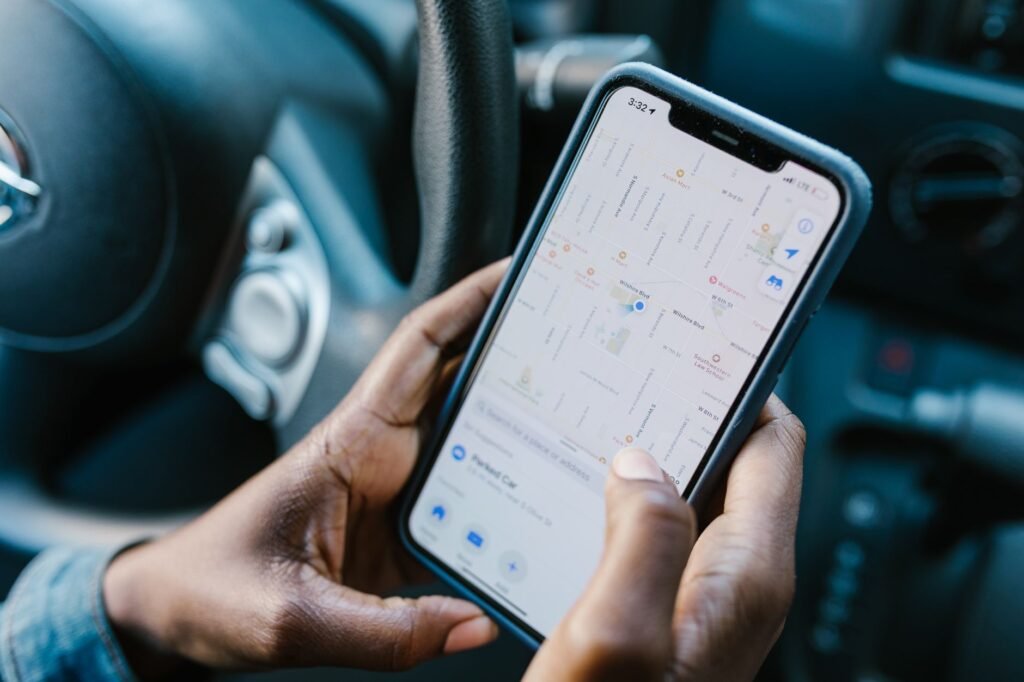
Ultimately, your choice should reflect your unique driving habits and preferences. If you find that usage-based insurance resonates with you, it could provide an effective way to manage your auto insurance costs while promoting safer driving practices.
The adoption of usage-based car insurance in Nevada reflects a shift towards more personalized and potentially cost-effective solutions for drivers. Pay-per-mile insurance models allow consumers to pay based on their actual driving habits, which can lead to substantial savings for those who drive less frequently. As Nevada insurance trends evolve, the role of telematics insurance becomes increasingly significant, offering transparency and rewarding safe driving behaviors.
As you consider the pros and cons of usage-based car insurance in Nevada, it is essential to evaluate your driving patterns and preferences. If you believe that your driving habits could lead to lower premiums, exploring telematics insurance options may be beneficial. Taking the next step involves researching local providers that offer usage-based car insurance in Nevada and comparing their rates and features to find the best fit for your needs.
“`html
What are the benefits of usage-based car insurance in Nevada?
Usage-based car insurance in Nevada offers several advantages, including potentially lower premiums for safe drivers. Since rates are based on driving habits, responsible drivers who avoid hard braking and excessive speeding can benefit financially. Additionally, it provides personalized insights into driving behavior, which can help improve safety. With the rise of Nevada insurance trends leaning toward technology, this type of insurance can also encourage more cautious driving, ultimately leading to safer roads.
How does pay-per-mile insurance work?
Pay-per-mile insurance charges drivers based on the miles they drive, making it a cost-effective option for those who use their vehicles less frequently. Typically, drivers pay a base rate plus a fee for each mile driven. With telematics insurance, a device tracks mileage and driving habits, providing data to the insurer. This model can significantly reduce costs for low-mileage drivers in Nevada, aligning insurance costs more closely with actual usage.
What are the privacy concerns with telematics insurance?
Privacy concerns surrounding telematics insurance revolve around data collection and usage. Insurers track driving behavior, which may include location data, speed, and braking patterns. Some drivers worry about how this information is stored, shared, and used, especially regarding potential impacts on insurance rates or exposure to third parties. Understanding the insurer’s privacy policies and data protection measures is essential before opting for usage-based car insurance in Nevada.
Is usage-based car insurance cheaper than traditional insurance?
Usage-based car insurance can be cheaper than traditional insurance, but it depends on individual driving habits. For safe drivers who accumulate fewer miles, this model often results in lower premiums. However, if a driver engages in risky behavior or drives more frequently, costs may rise. It’s crucial to compare quotes and understand how driving habits will influence rates when evaluating usage-based car insurance in Nevada.
What should I consider before switching to usage-based car insurance?
Before switching to usage-based car insurance, consider your driving habits, privacy concerns, and potential savings. Analyze your typical mileage and driving behavior to determine if this model suits you. Additionally, review the insurer’s data privacy policies, as telematics devices collect significant information. Lastly, compare rates with your current policy to ensure that the switch will result in financial benefits.
How can I find the best usage-based car insurance provider in Nevada?
To find the best usage-based car insurance provider in Nevada, start by researching companies that offer this type of coverage. Look for reviews, ratings, and customer experiences to gauge satisfaction. Additionally, compare coverage options and pricing. Online comparison tools can help find the best deals. Consulting with insurance agents familiar with Nevada insurance trends may also provide valuable insights into trustworthy providers.
“`