

Nevada driving laws insurance rates play a significant role in determining how much drivers pay for their insurance premiums. Understanding the intricacies of these laws is essential, as various Nevada driver regulations directly influence the cost of coverage. For instance, traffic violations can have a substantial traffic violations insurance impact on rates, leading to increased premiums for offenders. This article delves into key Nevada driver regulations that affect insurance rates, explores how different insurance premium factors come into play, and offers insights into making informed decisions about your insurance. By understanding these elements, Nevada drivers can better navigate the complexities of insurance costs and find coverage that meets their needs without overspending. Discover how to manage your insurance costs effectively while complying with state laws and regulations.
Understanding Nevada Driving Laws and Their Impact on Insurance Rates
Nevada driving laws play a significant role in determining insurance rates for drivers throughout the state. The regulations established by the Nevada Department of Motor Vehicles (DMV) dictate various aspects of driving behavior, which can directly influence the cost of auto insurance. Understanding these laws is essential for drivers seeking to manage their insurance expenses effectively.
How Traffic Violations Affect Insurance Costs
Traffic violations can have a substantial impact on insurance premiums. When a driver commits a violation, such as speeding, running a red light, or driving under the influence, insurance companies often view these behaviors as indicators of higher risk. Consequently, the more frequent or severe the violations, the greater the potential increase in insurance costs. For instance, a study by the Insurance Journal suggests that drivers with a history of traffic violations can see their insurance premiums increase by up to 80% following a serious infraction.
In Nevada, certain violations carry more weight than others. For example, a DUI conviction not only results in legal penalties but can also lead to a significant spike in insurance rates. Similarly, accumulating points on a driving record can trigger higher premiums, making it essential for drivers to adhere to traffic regulations to maintain affordable rates. Understanding the traffic violations insurance impact is crucial for any Nevada driver.
Overview of Nevada Driver Regulations and Their Effect on Insurance Rates
Nevada driver regulations are designed to promote safe driving practices and minimize road accidents. The state operates under a point system, where each traffic violation incurs specific points against a driver’s license. Accumulating too many points can lead to increased insurance rates, license suspension, and other penalties. For instance, certain offenses like reckless driving can result in eight points, while minor violations like speeding may incur fewer points but still affect insurance costs.
Moreover, Nevada requires all drivers to carry minimum liability insurance coverage, which includes bodily injury and property damage liability. The lack of adequate coverage can also influence insurance rates, as insurers often charge higher premiums for individuals who do not comply with state requirements. On the other hand, maintaining a clean driving record and adhering to Nevada driver regulations can help drivers benefit from lower premiums over time.
To optimize insurance costs, it is helpful for drivers to remain informed about insurance premium factors, such as driving history, the type of vehicle, and location. By understanding the nuances of Nevada driving laws and their relationship with insurance rates, drivers can make informed decisions that positively impact their financial well-being.

Key Nevada Driver Regulations That Influence Insurance Premiums
Nevada driving laws have a significant impact on insurance rates, with various driver regulations affecting the cost of premiums. Understanding these regulations is essential for drivers looking to maintain affordable insurance coverage. Below, we explore major traffic violations and their insurance impact as well as the insurance premium factors specific to the state.
Major Traffic Violations and Their Insurance Impact
In Nevada, certain traffic violations can lead to increased insurance premiums. Notably, driving under the influence (DUI) is one of the most severe offenses. A DUI conviction can lead to an immediate spike in insurance rates, as insurers view this as a high-risk behavior. According to the Nevada Department of Motor Vehicles, penalties for a first DUI offense can include fines, license suspension, and mandatory alcohol education programs.
Speeding violations also play a crucial role in determining insurance costs. In Nevada, exceeding the speed limit by 1 to 10 mph can lead to a fine, and more severe speeding offenses can result in points on your driving record. Accumulating points can significantly impact your insurance premiums, leading to higher rates. For instance, a driver who receives multiple speeding tickets within a short period may see their insurance costs rise dramatically.
Other traffic offenses, such as reckless driving or running a red light, also contribute to increased insurance expenses. Each of these violations adds points to a driver’s record, which insurers consider when calculating risk. The higher the risk, the more you’ll pay. Therefore, understanding Nevada driver regulations is crucial for anyone looking to keep their insurance premiums manageable.
Understanding the Insurance Premium Factors in Nevada Driving Laws and Insurance Rates
Insurance premiums in Nevada are influenced by several key factors, including driving history, type of coverage, and the specific Nevada driver regulations that apply. Insurers typically look at your claims history, credit score, and the frequency of traffic violations when determining rates. A clean driving record, free from major violations, can help keep premiums lower.
Additionally, factors such as the type of vehicle you drive and your location in Nevada can also affect your insurance costs. Urban areas often experience higher rates due to increased traffic and accident likelihood. In contrast, rural regions may enjoy lower premiums due to less traffic congestion.
- DUI Convictions: Significant premium increases.
- Speeding Tickets: Points lead to higher costs.
- Accidents: At-fault accidents can raise rates substantially.
Understanding the interplay between Nevada driving laws and insurance rates is vital for responsible driving and maintaining affordable insurance. By adhering to traffic regulations and avoiding violations, drivers can help keep their insurance costs down and stay safe on the road.
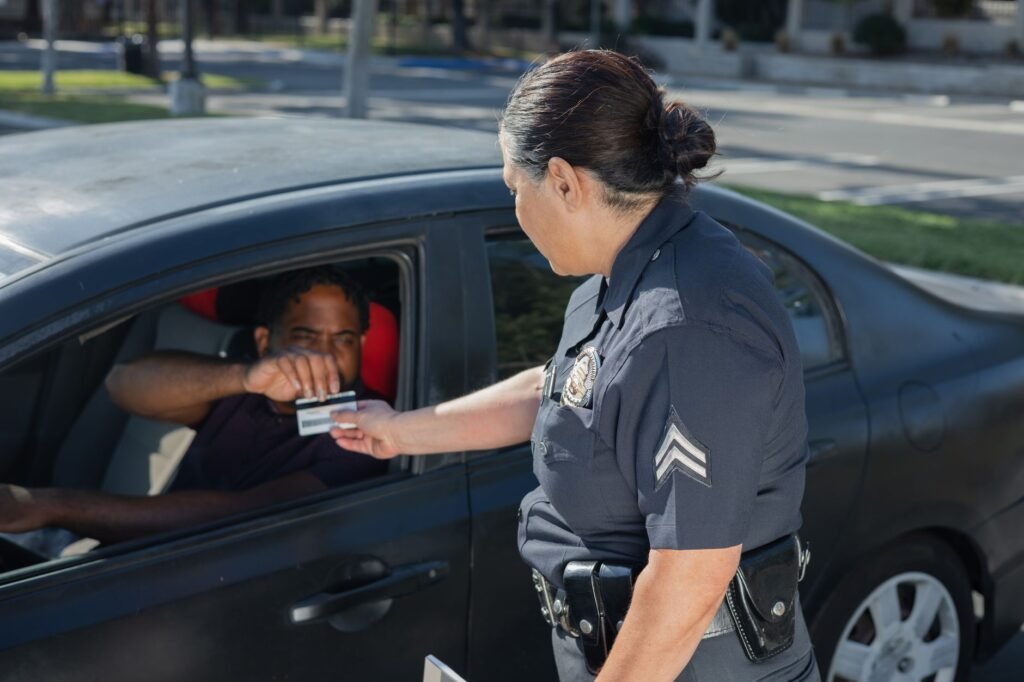
For more detailed information on how these factors influence your insurance, consider consulting with your insurance provider or visiting resources like the Nevada DMV or Nevada Car Insurance Requirements Explained for 2026.
Navigating Insurance Premium Factors in Nevada
Understanding how Nevada driving laws insurance rates interact can significantly affect your overall car insurance costs. Many factors contribute to your insurance premium, and adopting safe driving practices is essential for keeping these costs manageable. Additionally, selecting the right insurance policy that aligns with your driving history and compliance with Nevada driver regulations can lead to lower rates.
Safe Driving Practices to Lower Your Rates
Maintaining a clean driving record is one of the most effective ways to reduce your insurance premiums. Here are some actionable tips for safe driving:
- Obey Speed Limits: Adhering to speed limits not only ensures safety but also avoids speeding tickets, which can have a significant traffic violations insurance impact.
- Avoid Distractions: Stay focused on the road. Distracted driving can lead to accidents and potential citations, affecting your insurance costs.
- Practice Defensive Driving: Anticipate the actions of other drivers and be prepared to react. Defensive driving courses can sometimes reduce premiums.
- Maintain Your Vehicle: Regular maintenance can prevent breakdowns and accidents, which can lead to claims that raise your rates.
By cultivating these habits, you not only enhance your safety but also position yourself as a lower-risk driver, which insurance companies favor when determining your rates.
How to Choose the Right Insurance Policy to Impact Nevada Driving Laws and Insurance Rates
Selecting the appropriate insurance policy can significantly influence your premiums. Here are some strategies to consider:
- Compare Quotes: Use online comparison tools to evaluate different policies. Rates can vary widely among providers based on how they assess risk related to Nevada driving laws insurance rates.
- Understand Coverage Options: Make sure you understand the types of coverage available and choose one that fits your needs without overspending on unnecessary features.
- Look for Discounts: Many insurance companies offer discounts for safe driving, bundling policies, or being a member of specific organizations. Always ask about available discounts.
- Review Your Policy Regularly: As your driving habits change or as you age, your risk profile may alter. Regularly reviewing your policy can help you adjust your coverage and potentially save money.
By being proactive in both your driving behavior and your insurance policy choices, you can effectively manage the insurance premium factors that influence your overall costs. For more detailed insights into how specific violations can affect your premium, consider reviewing resources from Nevada’s Department of Motor Vehicles.
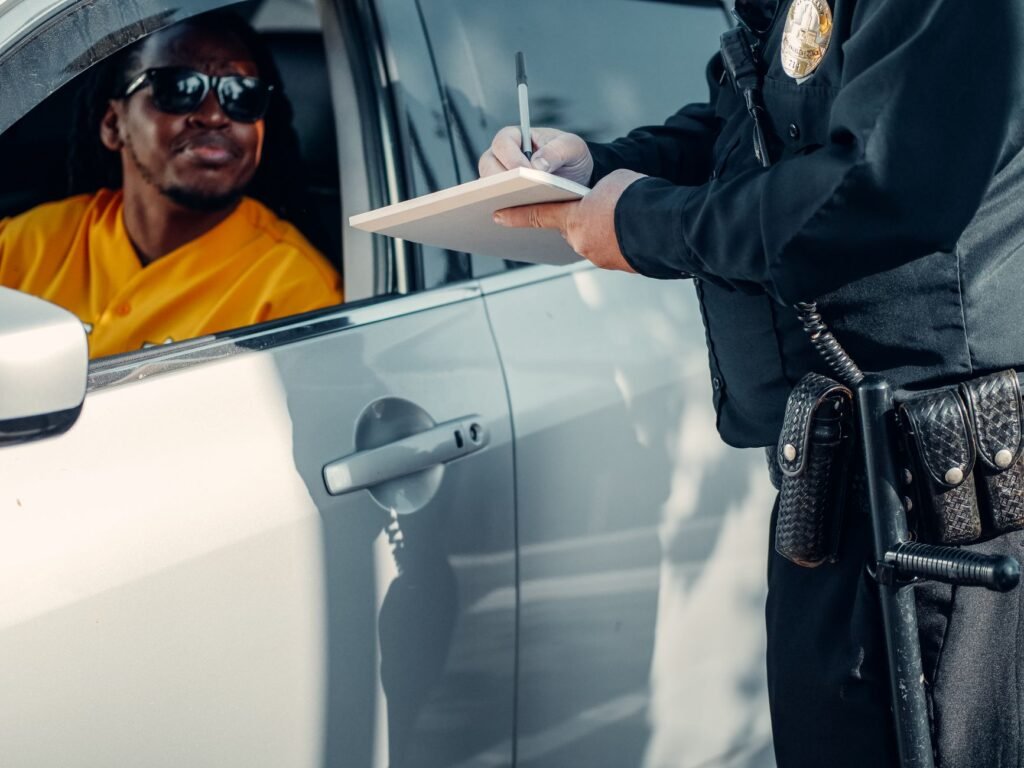
Implementing these practices not only keeps you safer on the road but also offers a pathway to more affordable insurance, aligning with Nevada driver regulations and enhancing your financial well-being.
Conclusion: Making Informed Decisions About Your Insurance
Understanding the intricate relationship between Nevada driving laws insurance rates is essential for any driver in the state. Throughout this article, we’ve explored how compliance with Nevada driver regulations directly influences your insurance premiums. From the types of traffic violations you might encounter to the broader implications of your driving record, knowing these factors can empower you to make informed decisions.
The Impact of Nevada Driving Laws on Insurance Rates
Traffic violations have a significant impact on insurance rates. For instance, minor infractions can lead to increased premiums, while major offenses may result in even steeper hikes or difficulties in obtaining coverage. It’s crucial to stay updated on Nevada driver regulations, as they can vary and may affect how insurers assess risk. Drivers should also be aware of how certain insurance premium factors, such as age, driving history, and vehicle type, interact with these laws.
- Stay informed: Regularly review updates to Nevada driving laws to understand their potential effects on your insurance rates.
- Maintain a clean driving record: Reducing traffic violations will help keep your premiums low and improve your insurability.
- Shop around: Different insurance providers may weigh traffic violations and Nevada driving laws differently, so comparing rates can yield significant savings.
By remaining vigilant about your driving behavior and understanding the nuances of Nevada’s laws, you can mitigate the negative effects of traffic violations on your insurance costs. Additionally, engaging with your insurance agent can provide personalized advice tailored to your situation. For more detailed strategies on adjusting your coverage based on driving habits and compliance with state laws, consider exploring additional resources on Traffic Violations and Nevada Insurance Rates Explained.
Ultimately, making informed choices about your insurance coverage in Nevada involves not only understanding the laws but also recognizing how they intersect with your financial responsibilities. By proactively managing your driving habits and staying educated on Nevada driving laws insurance rates, you can secure better coverage and potentially lower premiums.

Understanding how Nevada driving laws influence insurance rates is crucial for any driver in the state. Adhering to Nevada driver regulations can significantly reduce the risk of traffic violations, which in turn minimizes the traffic violations insurance impact on your premiums. Insurance premium factors such as your driving record, age, and vehicle type all play a role in determining your rates, underscoring the importance of safe driving practices.
For those looking to lower their insurance costs, staying informed about Nevada driving laws insurance rates can provide a strategic advantage. Consider reviewing your driving habits and ensuring compliance with state regulations to mitigate potential rate increases. By prioritizing safe driving, you not only protect yourself and others but also position yourself for more favorable insurance pricing. Take the time to compare different insurance options to find the best coverage that meets your needs and budget.
“`html
How do Nevada driving laws affect insurance rates?
Nevada driving laws significantly influence insurance rates. Insurance companies assess your driving record, including any violations or accidents, when determining your premium. If you have a clean driving record, you are likely to enjoy lower rates, while traffic violations can lead to higher premiums. This relationship between Nevada driving laws and insurance rates means that adhering to traffic regulations can help maintain or reduce your insurance costs over time.
What traffic violations have the most significant insurance impact in Nevada?
In Nevada, certain traffic violations have a more substantial impact on insurance rates than others. Serious offenses such as DUI (driving under the influence), reckless driving, and multiple speeding tickets can lead to significant increases in insurance premiums. Additionally, accidents where you are at fault can also negatively affect your rates. These traffic violations insurance impacts vary, but avoiding them is crucial for maintaining affordable coverage.
How can I lower my insurance rates in Nevada?
To lower your insurance rates in Nevada, consider several strategies. Maintaining a clean driving record is essential, as it directly influences your premium. Additionally, taking advantage of discounts offered by insurers, such as for safe driving courses or bundling policies, can help. Increasing your deductible and comparing quotes from different providers can also lead to significant savings. Lastly, understanding Nevada driver regulations can empower you to make informed choices about your coverage.
What are the key Nevada driver regulations I should know?
Key Nevada driver regulations include adhering to speed limits, wearing seat belts, and not using mobile devices while driving. Additionally, Nevada has strict laws against DUI, with severe penalties for offenders. It is also essential to understand that driving without insurance is illegal in the state. Familiarizing yourself with these Nevada driver regulations can help you avoid violations that could impact your insurance rates.
How do insurance premium factors vary by state?
Insurance premium factors vary by state due to differences in regulations, risk assessment criteria, and the overall driving environment. For instance, states with higher accident rates may have higher premiums, while those with strict traffic laws may see lower rates. Additionally, local weather conditions, population density, and insurance requirements all influence how insurance premium factors are determined. Understanding these variances can help you make better decisions regarding your coverage.
Can I appeal an insurance rate increase due to a traffic violation?
Yes, you can appeal an insurance rate increase due to a traffic violation. If you believe the increase is unjustified, contact your insurance provider to discuss your concerns. You may need to provide evidence of your driving history or complete a defensive driving course. Insurance companies often review appeals on a case-by-case basis, so it’s worthwhile to pursue this option if you feel your rates do not reflect your overall driving behavior.
“`