When considering full coverage vs liability insurance in Nevada, it’s essential for drivers to understand the nuances of each option. This article provides a comprehensive comparison of these two primary car insurance types in Nevada, helping you make an informed decision tailored to your needs. We will delve into the key differences between full coverage and liability insurance, exploring the situations in which each may be most beneficial. Additionally, we will assess various Nevada insurance options available to drivers, ensuring you have a clear understanding of what each policy entails. Whether you’re a new driver or looking to switch your current policy, this guide will help you navigate the complexities of comparing insurance coverage in Nevada. Expect actionable takeaways that will empower you to choose the right coverage for your circumstances, ensuring you are well-prepared on the road.
Understanding Full Coverage vs Liability Insurance in Nevada
What is Full Coverage Insurance?
Full coverage insurance typically refers to a combination of different types of car insurance that provides comprehensive financial protection for your vehicle. In Nevada, this usually includes both collision and comprehensive coverage. Collision coverage pays for damage to your car in the event of an accident, regardless of fault, while comprehensive coverage protects against non-collision incidents, such as theft, vandalism, or natural disasters. Full coverage insurance is designed to safeguard your investment in your vehicle and can also cover medical expenses and liability for injuries to others in an accident.
What is Liability Insurance?
Liability insurance, on the other hand, is a more basic form of coverage that is mandated by Nevada law. It protects you financially if you are at fault in an accident that causes injury to another person or damages their property. In Nevada, the minimum required liability coverage is $25,000 for bodily injury per person, $50,000 for total bodily injury per accident, and $20,000 for property damage. This means if you are involved in an accident where you are deemed responsible, your liability insurance will cover the costs up to these limits, but it will not cover your own car’s damages or injuries.
When comparing insurance coverage in Nevada, it’s important to assess your needs and budget. While full coverage offers extensive protection, it comes at a higher premium compared to basic liability insurance. Depending on your vehicle’s value and your financial situation, you may find that a combination of Nevada insurance options suits you best. For drivers of newer or more valuable cars, full coverage could be a wise choice, while those with older vehicles might prefer to save on premiums with liability insurance.
Key Differences in Full Coverage vs Liability Insurance Nevada
Coverage Scope of Full Coverage vs Liability Insurance Nevada
When exploring full coverage vs liability insurance Nevada, understanding the coverage scope is crucial. Liability insurance, which is mandatory in Nevada, covers damages to others in an accident for which you are at fault. This includes bodily injury and property damage up to the state’s minimum requirements of $25,000 for bodily injury per person, $50,000 per accident, and $20,000 for property damage. However, it does not cover your own medical expenses or vehicle damage.
In contrast, full coverage insurance encompasses liability insurance but adds comprehensive and collision coverage. Comprehensive insurance covers non-collision-related incidents such as theft, vandalism, and natural disasters, while collision insurance pays for damage to your own vehicle after an accident, regardless of fault. Therefore, full coverage offers a broader safety net compared to just liability insurance, protecting not only your finances but also your vehicle’s value.
Cost Implications of Car Insurance Types Nevada
The cost implications of full coverage and liability insurance can vary significantly. Generally, liability insurance is more affordable, with average premiums in Nevada ranging from $450 to $600 annually, depending on various factors such as driving history and vehicle type. On the other hand, full coverage insurance can cost anywhere from $1,200 to $1,800 annually, reflecting the added protection it provides.
Choosing between these Nevada insurance options often comes down to your personal financial situation and risk tolerance. If you can afford the higher premiums, full coverage may be the wiser choice, especially for newer or more valuable vehicles. Conversely, if budget constraints are a concern, liability insurance might serve as an adequate, albeit limited, option. When comparing insurance coverage Nevada, weigh the potential out-of-pocket costs against the benefits of comprehensive protection.
When to Choose Full Coverage vs Liability Insurance in Nevada
Assessing Your Needs
Choosing between full coverage vs liability insurance in Nevada requires a careful evaluation of your individual circumstances. Key factors to consider include the value of your vehicle, your driving habits, and your financial situation. If you own a newer or high-value car, full coverage may be a wise choice, as it protects against theft, vandalism, and comprehensive damages. In contrast, if you drive an older vehicle that has depreciated significantly, liability insurance might suffice, allowing you to save on premiums while still meeting Nevada’s minimum insurance requirements.
Additionally, consider your driving habits. Frequent long-distance travel or driving in high-traffic areas increases the likelihood of accidents, making full coverage a safer bet. Conversely, if you primarily drive short distances or have a clean driving record, liability insurance might be adequate for your needs. Assessing your financial situation is also crucial: if you can comfortably afford higher deductibles and want to protect your assets, full coverage is advisable. Understanding these factors can significantly aid in comparing insurance coverage Nevada offers, helping you make an informed decision.
Situations Favoring Full Coverage
There are specific scenarios where opting for full coverage is particularly beneficial. If you have recently purchased a new car, full coverage is often required by lenders to protect their investment. Similarly, if you own a luxury or high-value vehicle, comprehensive coverage ensures that you are financially protected in the event of significant damage or total loss. Furthermore, if you frequently drive in areas prone to natural disasters, such as floods or hailstorms, full coverage can provide peace of mind.
Ultimately, the choice between full coverage vs liability insurance in Nevada depends on several factors, including your vehicle’s value, your driving patterns, and your ability to absorb potential losses. By thoroughly assessing these elements, you can select the most appropriate Nevada insurance options for your situation.
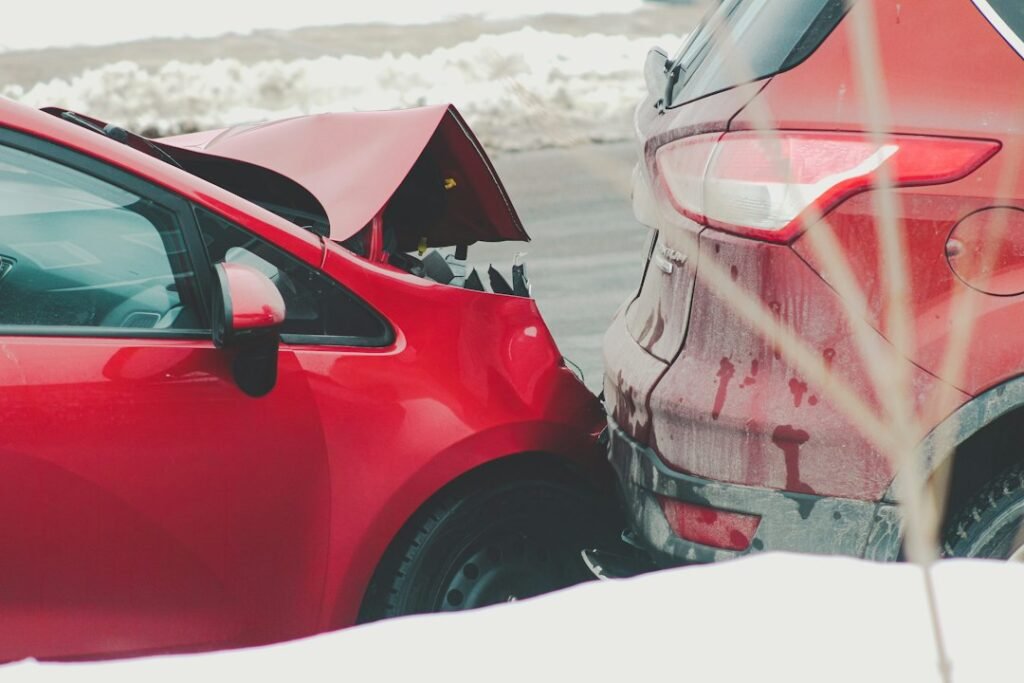
Exploring Nevada Insurance Options for Drivers
Popular Car Insurance Types in Nevada
Nevada drivers have various Nevada insurance options when it comes to car insurance. The state mandates a minimum level of liability coverage, which includes:
- $25,000 for bodily injury per person
- $50,000 for total bodily injury per accident
- $20,000 for property damage
While these minimum requirements are essential, many drivers opt for additional coverage to protect themselves from unforeseen incidents. The two primary types of coverage are:
- Liability Insurance: Covers damages to others if you’re at fault in an accident.
- Full Coverage: Includes liability plus collision and comprehensive coverage, protecting your vehicle against theft, vandalism, and other non-collision-related damages.
When weighing full coverage vs liability insurance in Nevada, consider your vehicle’s value, driving habits, and financial situation.
Comparing Insurance Coverage in Nevada
When comparing insurance coverage in Nevada, it’s vital to evaluate your personal needs alongside the available policies. Here are some actionable tips:
- Assess Your Risk: Consider factors such as your driving record, vehicle type, and how often you drive.
- Get Multiple Quotes: Different insurers offer various rates. Utilize online resources or contact agents to gather several quotes.
- Review Policy Details: Look beyond the price; assess deductibles, coverage limits, and what is and isn’t covered.
- Ask About Discounts: Inquire about discounts for safe driving, multiple policies, or vehicle safety features.
By actively comparing car insurance types Nevada offers, you can find a policy that meets your needs without overpaying.
Actionable Takeaways for Nevada Drivers
Make an Informed Decision on Full Coverage vs Liability Insurance in Nevada
Choosing between full coverage and liability insurance in Nevada requires a careful evaluation of your specific needs, financial situation, and driving habits. Full coverage provides extensive protection against a variety of risks, including theft, vandalism, and accidents involving uninsured or underinsured drivers. On the other hand, liability insurance covers damages you cause to other people and their property but does not cover your own vehicle’s damages or injuries.
To make an informed decision, consider the following actionable takeaways:
- Assess Your Vehicle’s Value: If you own a newer or high-value car, full coverage may be worth the investment. Conversely, for older vehicles, liability insurance may suffice.
- Evaluate Your Financial Situation: Determine how much you can afford in premiums and out-of-pocket expenses in case of an accident. This will help you decide which of the Nevada insurance options fits your budget.
- Understand Nevada’s Minimum Requirements: Familiarize yourself with Nevada’s minimum liability coverage requirements, which are 25/50/20, meaning $25,000 for bodily injury per person, $50,000 for total bodily injury per accident, and $20,000 for property damage.
By comparing insurance coverage in Nevada, you can identify the best fit for your circumstances and ensure adequate protection.
Seek Professional Advice for Tailored Insurance Needs
Consulting with an insurance agent can provide valuable insights into the various car insurance types in Nevada. Agents can help you navigate through the complexities of coverage options, ensuring you understand the implications of full coverage vs liability insurance in Nevada. They can also assist you in identifying potential discounts and bundling options that can save you money.
Don’t hesitate to ask questions and express your concerns. A knowledgeable agent can tailor a policy that meets your unique needs while maximizing your benefits. Remember, the right insurance can provide peace of mind, knowing you’re adequately protected on the road.
Understanding the differences between full coverage vs liability insurance in Nevada is essential for making informed decisions about your auto insurance needs. While full coverage offers more extensive protection, liability insurance can provide the minimum required coverage at a lower cost. Each option has its advantages and drawbacks, making it vital to assess your personal situation and financial goals when choosing between them. Exploring various Nevada insurance options can help you find the right fit for your circumstances.
When comparing insurance coverage Nevada, it’s important to consider factors such as your vehicle’s value, driving habits, and budget. By analyzing the different car insurance types Nevada offers, you can tailor your policy to ensure that you are adequately protected without overpaying. Take the time to gather quotes and evaluate your choices, so you can confidently select the coverage that best meets your needs and protects your investment on the road.
“`html
What is the difference between full coverage and liability insurance in Nevada?
Full coverage insurance typically includes liability coverage along with comprehensive and collision coverage, which protects your vehicle in various situations. Liability insurance, on the other hand, covers damages to others in an accident you cause. In comparing full coverage vs liability insurance in Nevada, it’s essential to understand that full coverage provides broader protection for your own vehicle, while liability insurance focuses on protecting others.
Is full coverage insurance required in Nevada?
No, full coverage insurance is not legally required in Nevada. The state mandates only liability insurance, which covers damages to others in an accident. However, many drivers opt for full coverage for added peace of mind, especially if they have a newer or more valuable vehicle. Evaluating your needs is crucial in deciding between Nevada insurance options.
What factors affect the cost of car insurance in Nevada?
Several factors influence car insurance costs in Nevada, including your driving history, age, location, and the type of coverage you choose. Additionally, the make and model of your vehicle, your credit score, and any discounts you may qualify for can also affect premiums. Understanding these variables is essential when comparing insurance coverage in Nevada.
How do I know if I need full coverage or liability insurance?
Determining whether you need full coverage or liability insurance depends on your financial situation and the value of your vehicle. If you own a newer or high-value car, full coverage may be a wise choice to protect your investment. Conversely, if your vehicle is older and has a lower market value, liability insurance might suffice. Assess your risk tolerance and financial needs when making this decision.
What are the minimum insurance requirements in Nevada?
Nevada law requires drivers to carry minimum liability insurance coverage of 25/50/20. This means $25,000 for injury or death of one person, $50,000 for total injuries or deaths in a single accident, and $20,000 for property damage. It’s important to be aware of these minimum insurance requirements to maintain compliance and avoid penalties.
Can I switch from full coverage to liability insurance?
Yes, you can switch from full coverage to liability insurance at any time. However, it’s important to consider the implications of reducing your coverage. While you may save on premiums, you will have less protection in case of an accident. Before making a change, review your financial situation and vehicle value to ensure it aligns with your insurance needs.
“`