Understanding full coverage vs liability insurance Nevada is essential for making informed decisions about your vehicle protection. In Nevada, car insurance types vary widely, and knowing the differences between these two main options can significantly impact your financial security on the road. This article explores the key distinctions between full coverage and liability insurance, providing clarity on what is full coverage insurance and how it contrasts with liability insurance explained. Whether you’re a new driver or a seasoned vehicle owner, the decision between these insurance types hinges on various factors, including your vehicle’s value, driving habits, and personal financial situation. Additionally, we will guide you on when to choose full coverage versus liability insurance in Nevada, ensuring you select the best policy for your needs. By the end, you will have a comprehensive understanding of your options, allowing you to make the right choice for your Nevada car insurance.
Understanding Full Coverage vs Liability Insurance in Nevada
When it comes to choosing the right car insurance, understanding the differences between full coverage vs liability insurance in Nevada is crucial. Each type offers distinct levels of protection and serves different needs for drivers. Let’s break down what each option entails and how they align with the state’s requirements.
What is Full Coverage Insurance?
Full coverage insurance is not a specific type of policy but rather a term that refers to a combination of coverage types that protect the policyholder from various risks. Typically, full coverage includes:
- Liability Coverage: This is required by law in Nevada and covers damages you may cause to others in an accident.
- Collision Coverage: This pays for damage to your own vehicle resulting from a collision, regardless of who is at fault.
- Comprehensive Coverage: This covers non-collision-related incidents, such as theft, vandalism, or natural disasters.
While full coverage provides extensive protection, it often comes at a higher premium than liability-only policies. Drivers seeking peace of mind, especially for newer or high-value vehicles, often opt for this comprehensive approach.
Liability Insurance Explained
Liability insurance is more straightforward and is a requirement for all drivers in Nevada. This type of insurance is designed to cover damages and medical expenses for other parties involved in an accident you cause. It does not cover your own vehicle or medical costs. Nevada law mandates minimum liability limits, specifically:
- $25,000 for bodily injury per person
- $50,000 for total bodily injury per accident
- $20,000 for property damage
Understanding liability insurance explained is essential, as failing to meet these requirements can result in fines, penalties, or even the suspension of your driving privileges. While liability insurance is generally more affordable than full coverage options, it leaves you vulnerable to costs associated with repairs or medical expenses for your own injuries.
choosing between full coverage and liability insurance in Nevada ultimately depends on your personal circumstances, including the value of your vehicle and your financial situation. Assessing your needs will help clarify which of the Nevada car insurance types is best suited for you. If you want to explore further, consider consulting with an insurance agent for tailored advice. Full Coverage vs Liability Insurance in Nevada Explained
Key Differences Between Full Coverage and Liability Insurance in Nevada
Cost Comparison of Full Coverage vs Liability Insurance in Nevada
When considering Nevada car insurance types, understanding the cost differences is essential. Full coverage insurance generally costs more than liability insurance due to its extensive protection features. On average, drivers in Nevada can expect to pay significantly higher premiums for full coverage, which typically includes both comprehensive and collision coverage, in addition to the required liability coverage.
According to a report by the Insurance Information Institute, the average annual cost for full coverage in Nevada is about $1,800, while liability-only insurance averages around $600. This stark contrast highlights the importance of budgeting appropriately when selecting the right insurance for your needs.
Coverage Scope and Limitations
Understanding liability insurance explained is crucial for making informed decisions. Liability insurance in Nevada covers bodily injury and property damage to others if you are at fault in an accident. However, it does not provide any protection for your own vehicle. In contrast, full coverage insurance protects not only against damages to others but also covers your own vehicle in various scenarios, including theft, vandalism, and natural disasters.
However, full coverage does come with its limitations. For instance, comprehensive and collision coverage will have deductibles, meaning you must pay a certain amount out-of-pocket before your insurance kicks in. Additionally, certain exclusions apply, such as wear and tear or damages incurred while driving under the influence. Understanding these limitations is key to ensuring that you choose the right policy for your individual circumstances.
Ultimately, the choice between full coverage and liability insurance boils down to personal circumstances, financial situation, and risk tolerance. Assess your driving habits, the value of your vehicle, and your budget to make an informed decision.
For more guidance on selecting the right coverage, consider consulting with a local insurance agent or using online resources to compare quotes and policies. Taking these steps will help ensure you have the best coverage for your needs while navigating the complexities of Nevada car insurance types.
When to Choose Full Coverage vs Liability Insurance in Nevada
Factors Influencing Your Decision
Choosing between full coverage vs liability insurance in Nevada requires careful consideration of various factors. Understanding these factors can significantly impact your financial security and peace of mind on the road.
- Vehicle Age: The age and value of your vehicle play a crucial role in your insurance decision. New or high-value vehicles often benefit from full coverage insurance, which includes comprehensive and collision coverage. This protection is essential to safeguard against theft, vandalism, and accidents. Conversely, older vehicles may not justify the additional cost of full coverage. If the value of your car is low, opting for liability insurance may be more cost-effective.
- Personal Finances: Evaluating your financial situation is vital. If you can comfortably afford higher premiums for full coverage, it may provide you with greater security. However, if you’re on a tight budget, liability insurance might help lower your monthly costs while still meeting Nevada’s minimum requirements.
- Risk Tolerance: Your comfort level with risk also influences your choice. If you frequently drive in high-traffic areas or have a longer commute, the risk of accidents may be higher, making full coverage a more prudent choice. On the other hand, if you primarily drive in low-traffic areas or have a safe driving record, liability coverage could suffice.
Personal Situations and Vehicle Types in Full Coverage vs Liability Insurance Nevada
Your specific circumstances and vehicle type further guide your insurance choice. For instance, a new driver may opt for full coverage due to inexperience, while a seasoned driver with a good track record may feel confident with liability insurance explained.
Consider these scenarios:
- New Driver: A recently licensed driver, especially one with a new car, should consider full coverage. This can offer peace of mind as they gain experience.
- Experienced Driver: A seasoned driver with an older vehicle may find that liability insurance meets their needs without the extra expense of full coverage.
- High-Value Vehicle Owner: If you own a luxury or high-performance car, full coverage is advisable to protect your investment from potential loss.
- Occasional Driver: If you only drive occasionally or own a low-value car, liability insurance may be a more financially sound choice.
Ultimately, understanding the nuances of Nevada car insurance types can help you make an informed decision. Whether choosing full coverage or liability insurance, the key is to assess your individual needs and circumstances carefully.

Conclusion: Making the Right Choice for Your Nevada Car Insurance
Summarizing Your Options: Full Coverage vs Liability Insurance Nevada
Choosing the right car insurance coverage in Nevada involves understanding the differences between full coverage and liability insurance. Full coverage insurance typically includes not only liability coverage but also collision and comprehensive coverage, protecting you against a broader range of risks, including theft, vandalism, and damage from natural disasters. On the other hand, liability insurance is primarily designed to cover damages you may cause to others in an accident, including property damage and medical expenses. For a detailed explanation of liability insurance, refer to our section on
liability insurance explained. When weighing the options, consider your financial situation, the value of your vehicle, and your risk tolerance. If you own a newer or more expensive car, full coverage may provide peace of mind. Conversely, if you drive an older vehicle or are on a tight budget, liability insurance might suffice, as it is generally less expensive than full coverage. According to the Nevada Department of Motor Vehicles, Nevada car insurance types vary widely, so it's essential to evaluate each option based on your specific needs and circumstances.
Next Steps for Getting Insured
Taking the next steps towards securing the right insurance policy involves a few actionable tasks:
- Assess Your Coverage Needs: Begin by determining what is full coverage insurance for your circumstances. Evaluate the value of your vehicle and your financial situation.
- Research Insurance Providers: Look for reputable insurance companies in Nevada that offer both full coverage and liability insurance options. Read customer reviews and check their financial stability.
- Get Quotes: Request quotes from multiple insurers to compare coverage options and premiums. Ensure you ask about discounts that may apply to you.
- Consult with an Insurance Agent: If you’re unsure which policy is best for you, consider speaking with an insurance agent who can provide personalized advice based on your needs.
- Review and Purchase: Once you’ve researched and compared your options, select the insurance policy that best fits your needs and budget.
By carefully evaluating the differences between full coverage vs liability insurance in Nevada, you can make an informed decision that protects you and your assets. Remember, the right insurance policy not only provides financial protection but also gives you peace of mind while on the road.
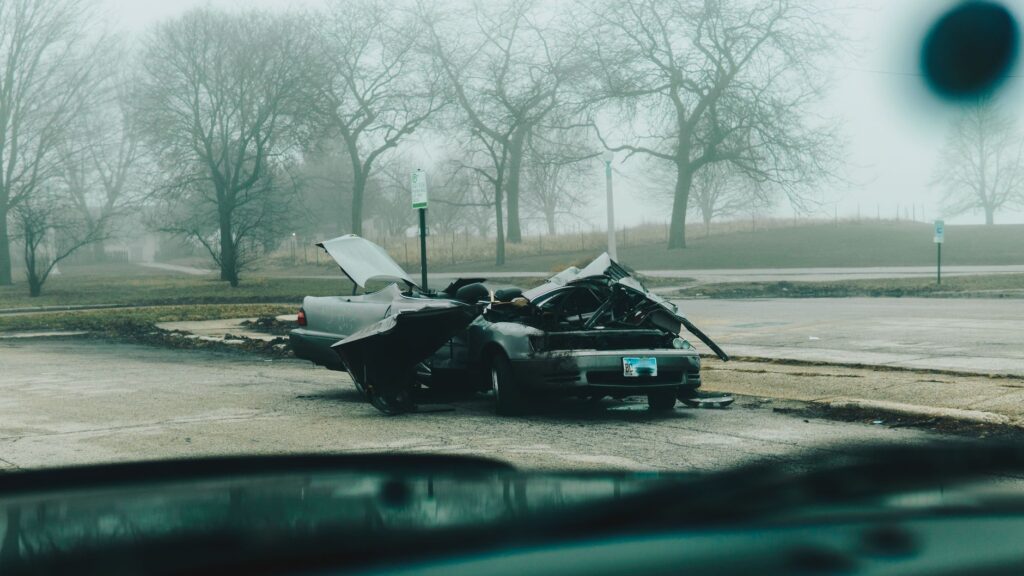
Understanding the differences between full coverage vs liability insurance Nevada is crucial for making an informed decision about your car insurance needs. While full coverage insurance offers a comprehensive layer of protection against various risks, liability insurance primarily covers damages you may cause to others. Each option has its advantages, depending on your specific circumstances and financial situation.
As you explore the various Nevada car insurance types, consider your budget and risk tolerance. If you want extensive protection, what is full coverage insurance may be worth the investment. However, if affordability is a primary concern, liability insurance explained can help you meet the state’s minimum requirements while still providing some level of financial security. Evaluate your needs and consult with a trusted insurance agent to find the best fit for you.
“`html
What is the difference between full coverage and liability insurance in Nevada?
Full coverage insurance in Nevada typically includes both liability coverage and additional protections like collision and comprehensive insurance. Liability insurance only covers damages and injuries to others if you’re at fault in an accident. Essentially, full coverage protects you and your vehicle as well, while liability insurance is primarily for protecting other parties involved in an accident.
How much does full coverage insurance cost in Nevada?
The cost of full coverage insurance in Nevada varies widely based on several factors, including your driving history, the type of vehicle, and your location. On average, drivers might pay between $1,200 to $2,000 annually for full coverage. It’s advisable to compare quotes from multiple insurers to find the best rate that fits your needs and budget.
Is liability insurance enough for my car in Nevada?
Whether liability insurance is sufficient depends on your individual situation. If you have a newer or more valuable vehicle, full coverage may be a better choice to protect your investment. However, if your car is older or has a lower value, liability insurance might be adequate. Assess your financial situation and risk tolerance to make the best decision for your needs.
What factors should I consider when choosing car insurance in Nevada?
When selecting car insurance in Nevada, consider factors such as coverage options, premium costs, deductibles, and the insurer’s reputation for customer service. Additionally, evaluate your driving habits, the value of your vehicle, and any discounts you may qualify for, such as safe driving or bundling policies. Understanding your needs is crucial in the full coverage vs liability insurance Nevada debate.
Can I switch from full coverage to liability insurance later?
Yes, you can switch from full coverage to liability insurance at any time. However, be mindful of the potential implications, such as being underinsured in the event of an accident. It’s essential to weigh the benefits and drawbacks before making changes to your coverage, as this decision can significantly affect your financial security.
What are the minimum insurance requirements in Nevada?
Nevada law requires drivers to maintain a minimum liability coverage of 25/50/20, which means $25,000 for bodily injury per person, $50,000 for total bodily injury per accident, and $20,000 for property damage. While these minimums are legally sufficient, higher coverage levels are often recommended for better protection and peace of mind.
“`