
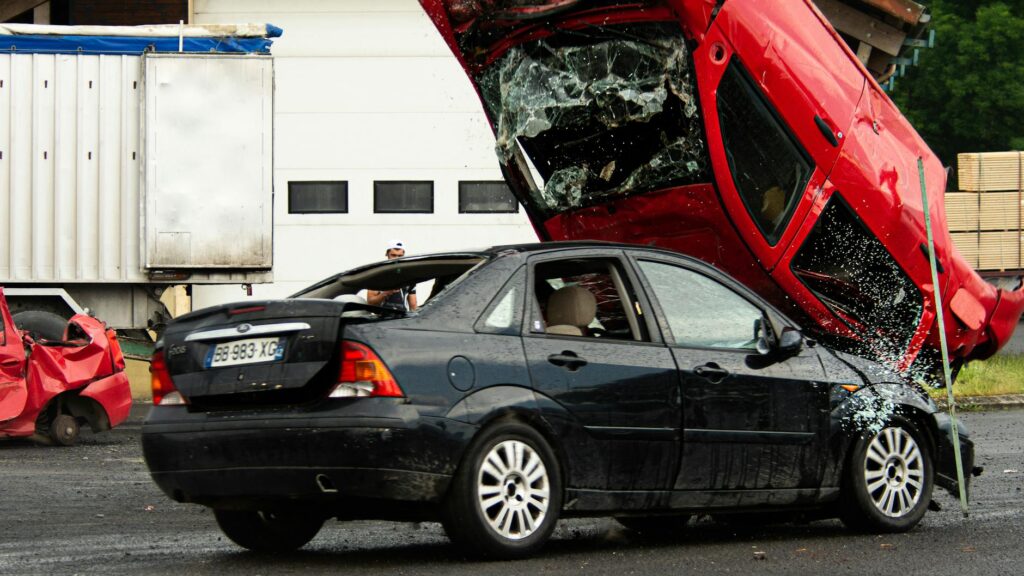
Comprehensive collision coverage Nevada is a crucial aspect of car insurance that every driver should understand before hitting the road. In this article, we will delve into the nuances of this coverage type, comparing it with traditional collision insurance and highlighting key differences in Nevada. Understanding the various types of car insurance Nevada offers is essential for making informed choices tailored to your needs. We will explore the fundamental distinctions between collision vs comprehensive insurance, ensuring you grasp what each policy entails. Additionally, we will provide insights into the various Nevada insurance options available to drivers, enabling you to assess which coverage is right for you. By the end of this article, you will be equipped with the knowledge necessary to choose the best insurance solution for your requirements, ensuring peace of mind on Nevada’s roads. Whether you’re a new driver or simply looking to update your policy, understanding comprehensive collision coverage is a vital step in safeguarding your vehicle and your finances.
Understanding Comprehensive Collision Coverage in Nevada
What is Comprehensive Coverage?
Comprehensive coverage is an essential type of car insurance that protects against damages to your vehicle not caused by a collision. This includes incidents such as theft, vandalism, natural disasters, and animal strikes. For example, if a tree falls on your car during a storm or if your vehicle is stolen, comprehensive coverage would help cover the costs of repairs or replacement. In Nevada, this type of coverage is particularly valuable due to the state’s diverse weather conditions and wildlife.
What is Collision Coverage?
Collision coverage, on the other hand, specifically protects your vehicle in the event of an accident, regardless of who is at fault. It covers damages resulting from collisions with other vehicles or objects, such as a fence or a pole. For instance, if you accidentally rear-end another car or hit a guardrail, collision coverage would help pay for the repairs to your vehicle. Understanding the differences between collision vs comprehensive insurance is crucial for selecting the right policy that fits your needs.
When considering comprehensive collision coverage in Nevada, it’s important to evaluate your risk factors and driving habits. If you live in an area with high theft rates or frequently drive in challenging weather, comprehensive coverage could be beneficial. Conversely, if you mainly drive in low-traffic areas and are confident in your driving skills, you might prioritize collision coverage instead.
By exploring the various types of car insurance in Nevada, you can make an informed decision that aligns with your lifestyle and financial situation. For more detailed insights into the fundamentals of car insurance, refer to our guide on Full Coverage vs Liability Insurance in Nevada Explained.
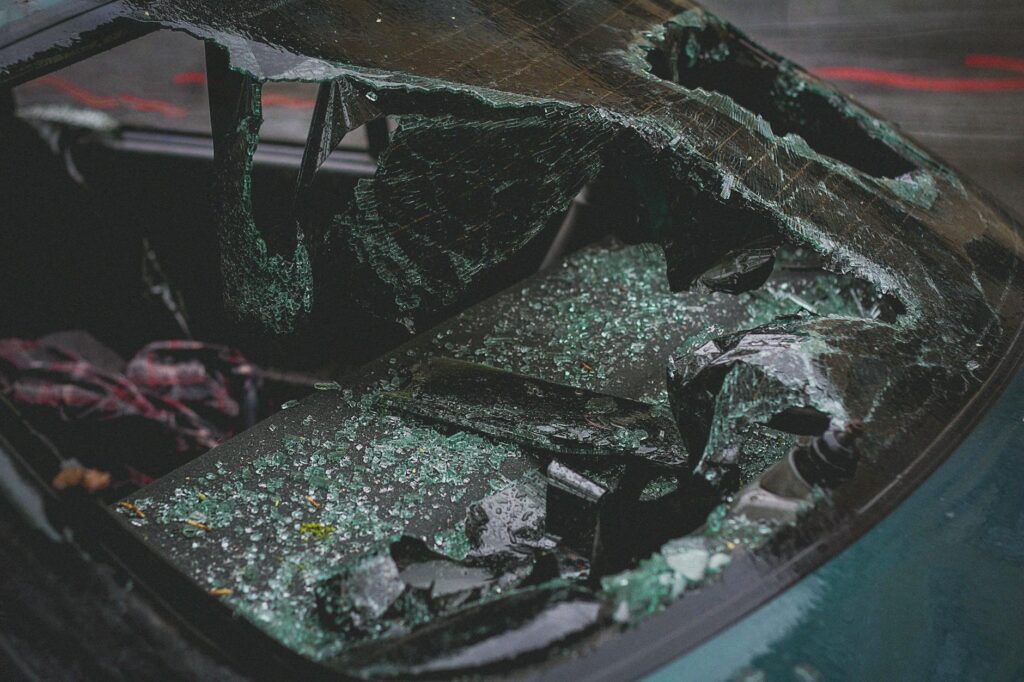
Collision vs Comprehensive Insurance: What You Need to Know
Understanding the differences between collision and comprehensive insurance is crucial for anyone navigating the landscape of comprehensive collision coverage Nevada. Both types of coverage serve distinct purposes, and knowing how they work can help you make informed decisions about your car insurance.
Collision insurance covers damage to your vehicle resulting from a collision with another vehicle or object, such as a tree or guardrail. It typically applies regardless of who is at fault in the accident. On the other hand, comprehensive insurance protects against a variety of non-collision incidents, including theft, vandalism, natural disasters, and animal-related accidents. While collision insurance is essential for those who frequently drive in high-traffic areas, comprehensive coverage is vital for protecting your vehicle from unforeseen events.
Cost is another significant factor. Collision insurance generally has higher premiums than comprehensive coverage due to the higher risk associated with accidents. However, both types of coverage can vary widely based on your vehicle, driving history, and insurance provider. Understanding the nuances of collision vs comprehensive insurance will help you weigh the costs against the benefits.
Factors to Consider When Choosing Coverage
When evaluating your options for comprehensive collision coverage Nevada, consider the following factors:
- Vehicle Value: If you have a newer or more valuable vehicle, comprehensive coverage can be a wise investment to protect against significant losses.
- Driving Habits: Assess how often you drive and the type of driving you do. High-mileage drivers may benefit more from collision coverage.
- Financial Situation: Determine how much you can afford to pay out-of-pocket in the event of an accident or damage. This can influence your deductible choices.
- State Requirements: Review Nevada insurance options to ensure you meet the minimum coverage levels required by law.
By analyzing your personal needs and circumstances, you can make a more informed decision about which types of car insurance Nevada requires for your situation. For a comprehensive view of your options, consider using reputable insurance comparison sites to evaluate various plans and prices. This research can lead to better coverage at competitive rates. Full Coverage vs Liability Car Insurance in Nevada

Types of Car Insurance in Nevada: A Broader Perspective
Mandatory Insurance Requirements in Nevada
In Nevada, car insurance is not just a recommendation; it is a legal requirement. All drivers must carry liability insurance, which covers damages to others in the event of an accident. The minimum required coverage includes:
- $25,000 for bodily injury per person
- $50,000 for total bodily injury per accident
- $20,000 for property damage per accident
While these minimums provide a basic level of protection, they may not be sufficient for many drivers. This is where additional coverage options, such as comprehensive and collision insurance, come into play. According to the Nevada Division of Insurance, approximately 12% of drivers in the state are uninsured, highlighting the importance of having adequate coverage to protect yourself and your assets. Understanding the distinction between collision vs comprehensive insurance is crucial for making informed decisions about your policy.
Comprehensive Collision Coverage Nevada: Additional Insurance Options
Beyond the mandatory liability coverage, Nevada offers various Nevada insurance options to enhance your protection on the road. Comprehensive insurance covers damages to your vehicle caused by non-collision incidents, such as theft, vandalism, or natural disasters. On the other hand, collision insurance covers damages resulting from an accident, regardless of fault. Together, these form the comprehensive collision coverage Nevada drivers should consider to ensure they are fully protected.
Research indicates that vehicles with comprehensive and collision coverage have a significantly lower likelihood of financial loss in the event of an accident or other incidents. According to a study by the Insurance Information Institute, insured drivers are less likely to experience severe financial distress after an accident compared to those with only the minimum required coverage.
Ultimately, while it is mandatory to have basic liability insurance, opting for comprehensive and collision coverage is a proactive approach that can save drivers from substantial costs in the long run.
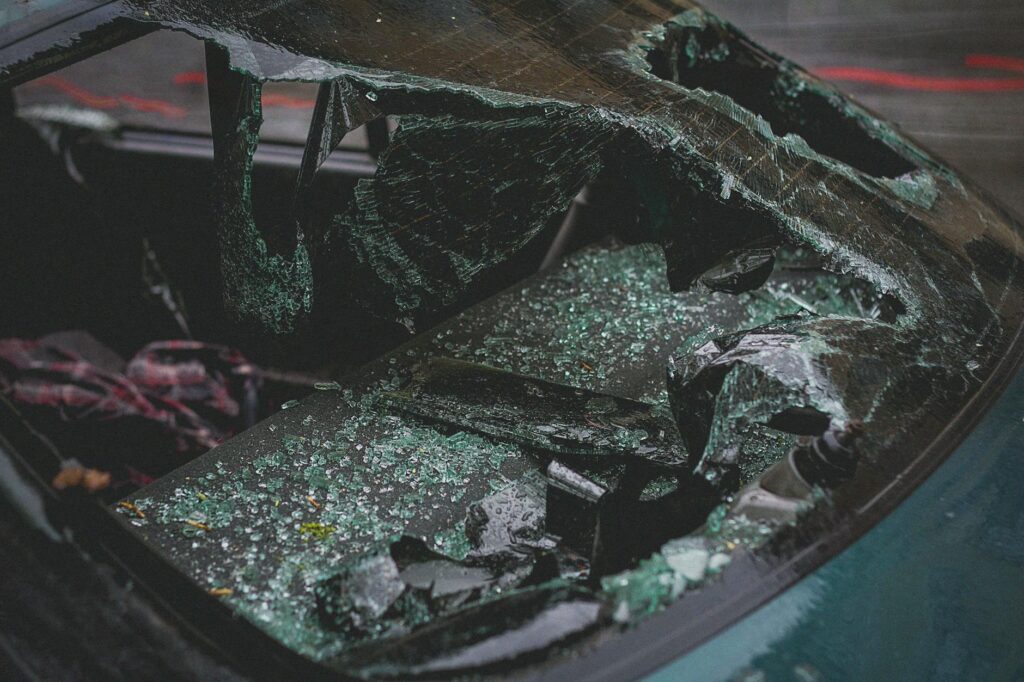
Choosing the Right Coverage for You
When deciding on the best insurance options for your vehicle in Nevada, it’s essential to evaluate your unique circumstances. This includes understanding your driving habits and the value of your vehicle. Comprehensive collision coverage Nevada may be a suitable option, but it’s important to assess your needs thoroughly.
Assessing Your Driving Habits and Vehicle Value
Your driving behavior plays a crucial role in determining the type of coverage you need. For instance, if you frequently drive in high-traffic areas or have a long daily commute, your risk of accidents increases, making comprehensive collision coverage Nevada a wise choice. On the other hand, if you only drive occasionally and primarily in low-risk environments, you might opt for basic coverage.
- How often do you drive? Frequent drivers should consider higher coverage limits.
- What is your vehicle’s market value? If you own a newer or more expensive vehicle, full coverage may be warranted.
- Do you have a history of accidents or claims? A history of incidents may suggest a need for more comprehensive policies.
By assessing these factors, you can better gauge your risk and potential savings, which can help you choose between collision vs comprehensive insurance and other types of car insurance Nevada.
When to Consider Each Type of Coverage
Understanding when to choose comprehensive or collision coverage is essential. Comprehensive insurance covers non-collision-related incidents, such as theft or natural disasters, while collision insurance covers damages from accidents. If your vehicle is older and has a lower market value, you may decide that collision coverage is unnecessary.
- If your vehicle is worth less than 10 times your annual premium, consider dropping collision coverage.
- If you live in an area prone to theft or severe weather, comprehensive coverage could be beneficial.
- Evaluate your financial situation; if you can afford to repair or replace your vehicle, you might choose lower coverage.
To help you make this decision, here’s a quick checklist:
- Assess your vehicle’s current market value.
- Determine your usual driving conditions.
- Evaluate your budget for insurance premiums.
- Consider your risk tolerance when it comes to accidents.
By taking these factors into account, you can make an informed decision on which Nevada insurance options best suit your needs, ensuring that you find the right balance between protection and cost.

Conclusion: Making the Best Choice for Your Insurance Needs
Choosing the right insurance coverage is a critical step in protecting your vehicle and finances. In the context of comprehensive collision coverage Nevada, it’s essential to understand the nuances between different types of car insurance Nevada offers. This includes recognizing the differences between collision vs comprehensive insurance, which can significantly impact how well you are covered in various scenarios.
As we’ve discussed, comprehensive collision coverage is designed to safeguard your vehicle from a range of risks, including accidents, theft, and natural disasters. However, it may not be necessary for everyone, depending on factors such as the age, value, and condition of your car, as well as your driving habits. Evaluating your unique situation is crucial in determining whether this type of coverage is right for you.
When exploring Nevada insurance options, consider consulting with insurance professionals who can provide tailored advice based on your individual needs and budget. They can help you navigate the different policies available and highlight any discounts or coverage bundles that may be beneficial. Additionally, taking the time to compare quotes from various providers can lead to significant savings.
Ultimately, the best choice for your insurance needs hinges on a careful assessment of your circumstances. Whether you decide on comprehensive collision coverage Nevada or another form of protection, being informed and proactive will ensure you are well-equipped to handle any unforeseen events.

For more personalized assistance, Nevada Weather and Car Insurance Premiums Explained who can guide you through your options and help you make an informed decision.
Understanding the different types of car insurance Nevada offers is crucial for making informed decisions about your coverage. Comprehensive collision coverage Nevada provides a safety net against a range of potential damages, while knowing the differences between collision vs comprehensive insurance can help you tailor your policy to suit your needs. Evaluating your unique situation will guide you in selecting the most appropriate Nevada insurance options.
As you weigh your choices, consider reaching out to an insurance advisor who can help clarify the nuances of comprehensive collision coverage Nevada and how it aligns with your driving habits and financial goals. Taking this step will empower you to choose a policy that not only protects your vehicle but also fits well within your budget and lifestyle.
“`html
What is comprehensive collision coverage Nevada?
Comprehensive collision coverage Nevada is a type of auto insurance that combines two key protections: collision coverage, which pays for damage to your vehicle from accidents, and comprehensive coverage, which addresses non-collision incidents such as theft, vandalism, or natural disasters. This dual protection helps ensure that your vehicle is covered in a variety of situations, making it a popular choice for many Nevada drivers.
What are the types of car insurance Nevada requires?
Nevada law mandates that drivers carry liability insurance. This includes bodily injury liability, which covers injuries to others, and property damage liability, which covers damages to other people’s property in an accident. While comprehensive collision coverage Nevada is not required by law, it is often recommended for added protection, especially for newer or more valuable vehicles.
How does collision vs comprehensive insurance work?
Collision insurance covers damages to your vehicle resulting from a collision with another vehicle or object, regardless of fault. In contrast, comprehensive insurance covers a wider range of incidents that do not involve a collision, such as theft, fire, or wildlife strikes. Understanding the differences between collision vs comprehensive insurance can help you choose the right coverage for your needs.
When should I choose comprehensive coverage?
You should consider choosing comprehensive coverage if you own a newer or high-value vehicle, live in an area prone to natural disasters, or have concerns about theft or vandalism. This type of coverage provides financial protection against a variety of risks that liability insurance does not cover, making it a wise choice for those who want peace of mind.
What factors should I consider for Nevada insurance options?
When evaluating Nevada insurance options, consider factors such as your driving history, the value of your vehicle, your budget, and your personal risk tolerance. Additionally, think about whether you need comprehensive collision coverage Nevada or if basic liability insurance suffices based on your circumstances. Comparing quotes from multiple insurers can also help you find the best coverage for your needs.
How do I determine if I need collision or comprehensive insurance?
To determine if you need collision or comprehensive insurance, assess the value of your vehicle and your financial situation. If your vehicle is worth a significant amount, comprehensive coverage is advisable to protect against a range of risks. Conversely, if your car is older or has a lower value, you might opt for just collision coverage or liability insurance. Your personal comfort with risk is also a critical factor.
“`