
The relationship between your credit score car insurance Nevada is a crucial factor that many drivers overlook when seeking to lower their insurance rates. In Nevada, insurance companies utilize credit scores to assess risk, which can significantly affect the premiums you pay. This article will explore how your credit score influences insurance rates and credit Nevada, diving into the Nevada credit impact on insurance rates and the key car insurance credit score factors that insurers consider. Additionally, we will compare insurance rates across various regions in Nevada, providing insights into how geographical differences might affect your premiums. Finally, we will offer actionable takeaways to help Nevada drivers understand their credit situation and make informed decisions when shopping for car insurance. For more information on the importance of credit scores, visit Consumer Financial Protection Bureau and learn how maintaining a good credit score can benefit you beyond just insurance.
Understanding Credit Score and Car Insurance in Nevada
What is a Credit Score?
A credit score is a numerical representation of an individual’s creditworthiness, typically ranging from 300 to 850. This score is derived from various factors, including:
- Payment History: Timely payments on loans and credit cards contribute positively.
- Credit Utilization: The ratio of credit used compared to total credit available.
- Length of Credit History: The age of your credit accounts affects your score.
- Types of Credit: A mix of credit accounts, such as revolving credit and installment loans, can enhance your score.
- Recent Credit Inquiries: New credit applications can temporarily lower your score.
Understanding these components is crucial, as they collectively influence your insurance rates and credit Nevada.
How Insurance Companies Use Credit Scores
In Nevada, insurance companies often evaluate a customer’s credit score as part of their risk assessment process. Studies show that individuals with higher credit scores tend to file fewer claims, leading insurers to view them as lower-risk clients. This correlation directly impacts how premiums are calculated, making the credit score car insurance Nevada relationship significant for drivers.
Insurers utilize credit scores alongside other factors, such as driving history and vehicle type, to determine car insurance rates. A poor credit score may result in higher premiums, while a good score can lead to lower costs. This is due to the Nevada credit impact on insurance being recognized as a predictive measure of future claims.
For those in Nevada, it is essential to monitor your credit score regularly, as it can influence your car insurance rates significantly. By understanding the various car insurance credit score factors, you can take proactive steps to improve your credit and potentially lower your insurance costs.
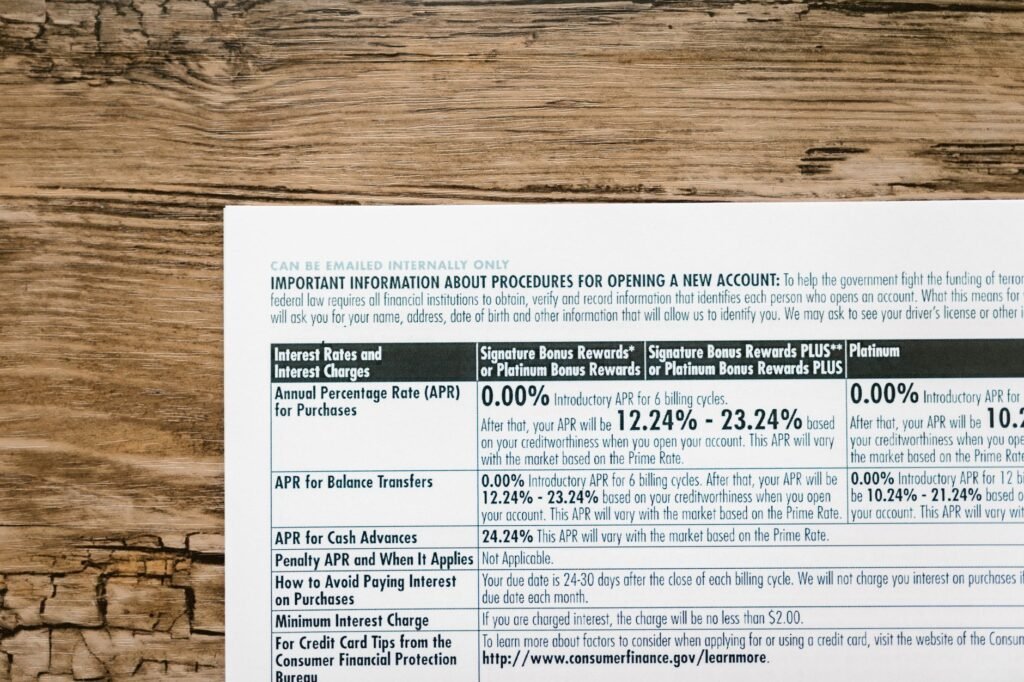
The Nevada Credit Impact on Insurance Rates
How Credit Score Influences Insurance Rates and Credit Nevada
In Nevada, your credit score significantly impacts your car insurance rates. Insurers often assess credit scores to determine the risk associated with insuring a driver. Research indicates that individuals with lower credit scores may experience higher insurance premiums. For example, a study by ValuePenguin found that drivers with poor credit can pay up to 91% more on car insurance than those with excellent credit scores. This disparity highlights the correlation between credit score and car insurance rates in Nevada.
The Nevada credit impact on insurance reflects a broader trend where insurers consider financial responsibility as part of their risk assessment. Common car insurance credit score factors include payment history, credit utilization, and the length of credit history. Insurers believe that a good credit score indicates a lower likelihood of filing claims, leading to more favorable rates for those individuals.
It is essential for Nevada residents to be aware of how their credit scores can influence their insurance costs. Monitoring credit reports for accuracy and taking steps to improve credit scores can lead to lower premiums. Individuals can check their credit scores for free once a year at AnnualCreditReport.com.
The Role of State Regulations on Credit Scoring
Nevada has specific regulations governing the use of credit scores in determining insurance rates. The state law requires insurers to provide consumers with a notice if their credit score negatively impacts their premium. This regulation ensures transparency and allows policyholders to understand the factors influencing their rates.
Moreover, insurers in Nevada are prohibited from using certain types of credit information, such as medical debt or bankruptcies, when calculating insurance rates. This helps to protect consumers from unfair pricing based solely on their financial history.
By understanding the insurance rates and credit Nevada regulations, consumers can take proactive steps to manage their credit scores. Engaging in responsible financial practices such as timely bill payments and reducing debt can lead to improved credit scores, which, in turn, can positively influence car insurance rates.
the relationship between credit scores and car insurance rates in Nevada is significant. Drivers should remain vigilant about their credit scores and understand how they impact their insurance costs. By being informed and proactive, consumers can potentially save money on their car insurance premiums.
Key Car Insurance Credit Score Factors
Factors Affecting Your Credit Score for Car Insurance in Nevada
Your credit score is a critical factor in determining your car insurance rates in Nevada. Insurance companies utilize several car insurance credit score factors to assess the risk of insuring you. Understanding these components can help you manage your credit more effectively, ultimately leading to lower premiums.
- Payment History: This is the most significant factor, accounting for about 35% of your credit score. Late payments or defaults can severely impact your score.
- Credit Utilization: This refers to the amount of credit you are using compared to your total available credit. Keeping your utilization below 30% is advisable.
- Length of Credit History: A longer credit history generally indicates stability. Insurers prefer applicants with established credit profiles.
- Types of Credit Accounts: Having a mix of credit types, such as credit cards, retail accounts, and installment loans, can positively affect your score.
- Recent Credit Inquiries: Too many inquiries within a short period can signal financial distress, which may raise red flags for insurers.
In Nevada, the Nevada credit impact on insurance is significant, as insurers often rely on credit scores to determine policy pricing. A lower credit score can lead to higher premiums, making it essential to understand and improve your credit standing.
How to Improve Your Credit Score for Better Rates
Improving your credit score can lead to better car insurance rates in Nevada. Here are some actionable tips:
- Pay Bills on Time: Set up reminders or automate payments to avoid late payments.
- Reduce Debt: Focus on paying down high credit card balances and avoid accumulating new debt.
- Check Your Credit Report: Regularly review your credit report for errors and dispute any inaccuracies.
- Avoid Opening New Accounts: Limit new credit inquiries, especially before applying for insurance.
- Build a Positive Credit History: Consider using secured credit cards or becoming an authorized user on a responsible person’s credit account.
By focusing on these areas, you can effectively enhance your credit score and, in turn, potentially lower your insurance rates and credit Nevada providers offer. For more insights on managing your credit and insurance costs, explore How Credit Score Affects Car Insurance in Nevada.
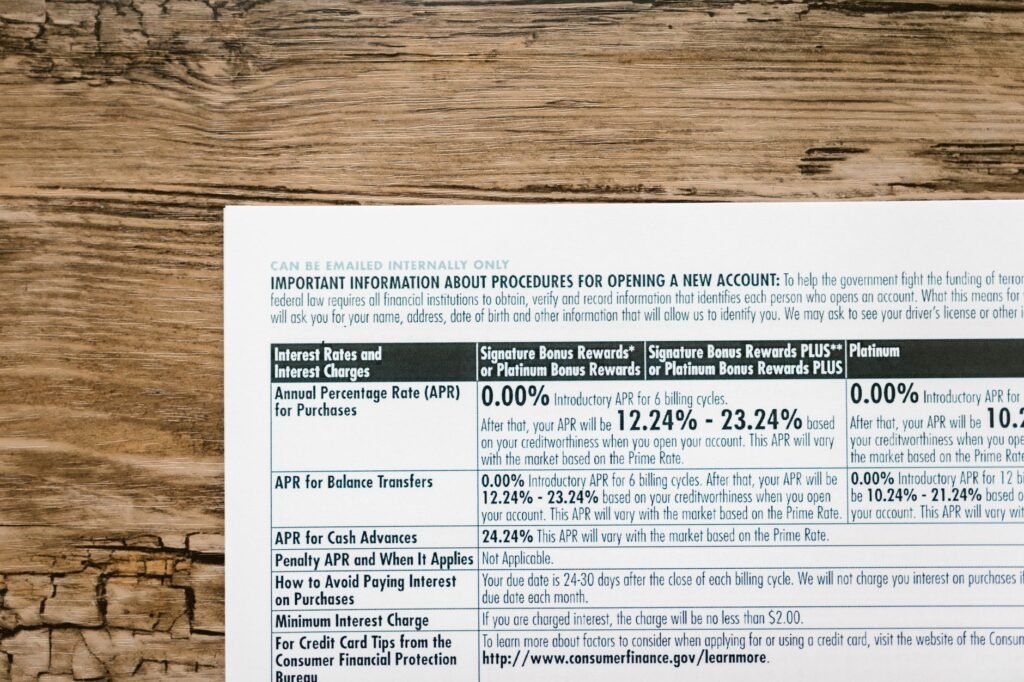
Comparing Insurance Rates Across Nevada
Regional Variations in Insurance Rates
When it comes to credit score car insurance Nevada, understanding regional variations in insurance rates can significantly impact your overall premium. Different areas in Nevada experience varying levels of risk, which can influence how insurers assess your credit score in relation to your car insurance rates. For instance, urban areas like Las Vegas and Reno may have higher rates due to increased traffic and accident likelihood, whereas rural regions often see lower premiums.
Moreover, the Nevada Department of Insurance has reported that premiums can differ based on local crime rates, weather conditions, and population density. Those with higher credit scores generally receive more favorable rates, but how much your credit score affects your premium can vary by region. It’s essential to research how the Nevada credit impact on insurance plays out in your specific location.
Finding the Best Insurance Rates in Nevada Using Your Credit Score
To secure the best insurance rates in Nevada, it’s crucial to leverage your credit score effectively. Here are some actionable steps you can take:
- Shop Around: Don’t settle for the first quote you receive. Different insurers weigh car insurance credit score factors differently, so obtaining multiple quotes can reveal substantial savings.
- Consider Bundling: If you have multiple insurance needs, bundling car insurance with home or renters insurance might provide additional discounts.
- Improve Your Credit Score: Focus on making timely payments and reducing debt to enhance your credit score, which can lead to lower premiums. For more details on improving your credit, check Lower Car Insurance Premiums in Nevada: A Complete Guide.
- Ask About Discounts: Inquire about discounts for safe driving, low mileage, or good student status, as these can complement the benefits of a solid credit score.
By understanding the regional variations in insurance rates and actively working to improve your credit score, you can significantly impact your car insurance premiums. Always remember that insurers in Nevada may have different criteria for assessing risk, so being proactive can lead to better deals.

Actionable Takeaways for Drivers in Nevada
Steps to Take Immediately to Improve Your Credit Score Car Insurance Nevada
Your credit score can significantly influence your car insurance rates in Nevada. Therefore, taking proactive steps to manage and improve your credit can lead to potential savings on premiums. Here are some actionable steps you can implement right away:
- Check Your Credit Report: Obtain your free credit report from AnnualCreditReport.com. Review it for any errors or discrepancies that could negatively impact your score.
- Pay Bills on Time: Consistent on-time payments are one of the most crucial car insurance credit score factors. Set up reminders or automatic payments to avoid missed deadlines.
- Reduce Credit Card Balances: Aim to keep your credit utilization ratio below 30%. This means paying down existing debt can have a positive impact on your score.
- Avoid Opening New Credit Accounts: Each credit inquiry can lower your score slightly. Limit new applications unless absolutely necessary.
- Consider Credit Counseling: If you’re struggling to manage debt, a certified credit counselor can provide personalized advice and strategies to improve your financial health.
Resources for Monitoring Your Credit
To keep track of your credit score and its impact on your insurance rates, utilize reliable credit monitoring services. These tools can alert you to changes in your credit report and help you stay on top of your financial health. Some recommended resources include:
- Credit Karma: Offers free credit scores and reports, alongside personalized recommendations for improvement.
- Experian: Provides access to your credit report and offers updates on changes that might affect your credit score car insurance Nevada.
- Mint: A budgeting app that also tracks your credit score and provides insights into your financial habits.
By actively monitoring your credit and understanding the Nevada credit impact on insurance, you can take steps towards securing better insurance rates. For further insights on improving your financial status, consider visiting How to Compare Car Insurance Quotes in Nevada Effectively.

Your credit score plays a significant role in determining car insurance rates in Nevada. Insurers often assess this score as part of their risk evaluation process, which can lead to variances in premiums based on the perceived financial reliability of drivers. Understanding the Nevada credit impact on insurance can help you make informed decisions about your coverage and save money in the long run.
Taking steps to improve your credit score can positively influence your insurance rates and credit Nevada. By focusing on key car insurance credit score factors, such as timely bill payments and reducing outstanding debt, you can enhance your financial profile. For those looking to lower their premiums, a review of your credit report and a proactive approach to managing your credit can be beneficial. Consider discussing your options with your insurance provider and explore different quotes to find the best rates for your situation.
“`html
How does my credit score affect car insurance rates in Nevada?
Your credit score plays a significant role in determining your car insurance rates in Nevada. Insurers use credit scores as an indicator of risk; a higher score typically correlates with lower rates. This is because individuals with better credit histories are perceived as more responsible and less likely to file claims. Conversely, a lower credit score can lead to higher premiums, reflecting the increased risk to the insurer. Understanding how your credit score influences car insurance rates in Nevada can help you make informed decisions.
What are the insurance rates and credit Nevada regulations?
In Nevada, insurance companies are permitted to use credit scores when determining car insurance rates, but they must comply with state regulations. Insurers are required to disclose how credit scores affect your rates and cannot deny coverage solely based on credit history. Rates vary widely based on individual circumstances, including driving history and credit score. For detailed information on these regulations, you can refer to the Nevada Department of Insurance.
Can I get car insurance with a low credit score in Nevada?
Yes, it is possible to obtain car insurance with a low credit score in Nevada, but you may face higher premiums compared to those with better scores. Insurers will consider various factors when assessing your application. Some companies specialize in covering high-risk drivers, so shopping around can help you find better rates. Additionally, improving your credit score over time can lead to lower premiums in the future.
How can I improve my credit score for lower insurance rates?
Improving your credit score involves several steps, including paying bills on time, reducing outstanding debts, and maintaining low credit card balances. Regularly checking your credit report for errors and disputing inaccuracies can also help. By demonstrating responsible financial behavior, you can gradually enhance your credit profile, which in turn may lower your car insurance rates in Nevada. Consistency is key, so make these practices a part of your financial routine.
What are the car insurance credit score factors considered by insurers?
Insurers consider several car insurance credit score factors, including payment history, credit utilization, length of credit history, types of credit accounts, and recent credit inquiries. Each of these elements provides insight into your financial reliability and risk level. Understanding these factors can help you manage your credit better and potentially secure lower insurance rates based on your credit score in Nevada.
Do all insurance companies in Nevada use credit scores?
No, not all insurance companies in Nevada use credit scores to determine rates, but many do. It’s essential to check with individual insurers to understand their specific practices. Some companies may place more emphasis on driving history or other factors. If you’re concerned about your credit score impacting your insurance rates, consider reaching out to multiple insurers to find the best fit for your situation.
“`