
Nevada weather car insurance rates are influenced by various climatic factors that can significantly affect your premiums and coverage options. The unique weather patterns in the state, ranging from scorching summers to unpredictable winter storms, create a complex landscape for car insurance providers. This article delves into the key weather factors impacting Nevada car insurance, exploring how these elements shape the costs and terms of your policy. We will also discuss the role of insurance providers in weather impact insurance, guiding you through the intricacies of Nevada climate car insurance. Furthermore, we will provide practical tips for preparing for insurance claims weather Nevada, ensuring you’re equipped to handle any unforeseen circumstances. As we navigate through these crucial topics, we aim to equip you with the knowledge needed to make informed decisions about your coverage. Understanding these dynamics is essential for both current and prospective policyholders looking to manage their insurance costs effectively. For additional insights, consider checking resources like the Journal of Financial Stability and the Nevada State Government for local regulations.
Understanding Nevada Weather Car Insurance Rates
Nevada’s unique climate plays a significant role in determining Nevada weather car insurance rates. The state’s weather patterns, characterized by extreme heat and minimal rainfall, greatly influence how insurers assess risk and set premiums. Understanding this relationship can help drivers make informed decisions about their car insurance coverage.
The Influence of Climate on Insurance Premiums
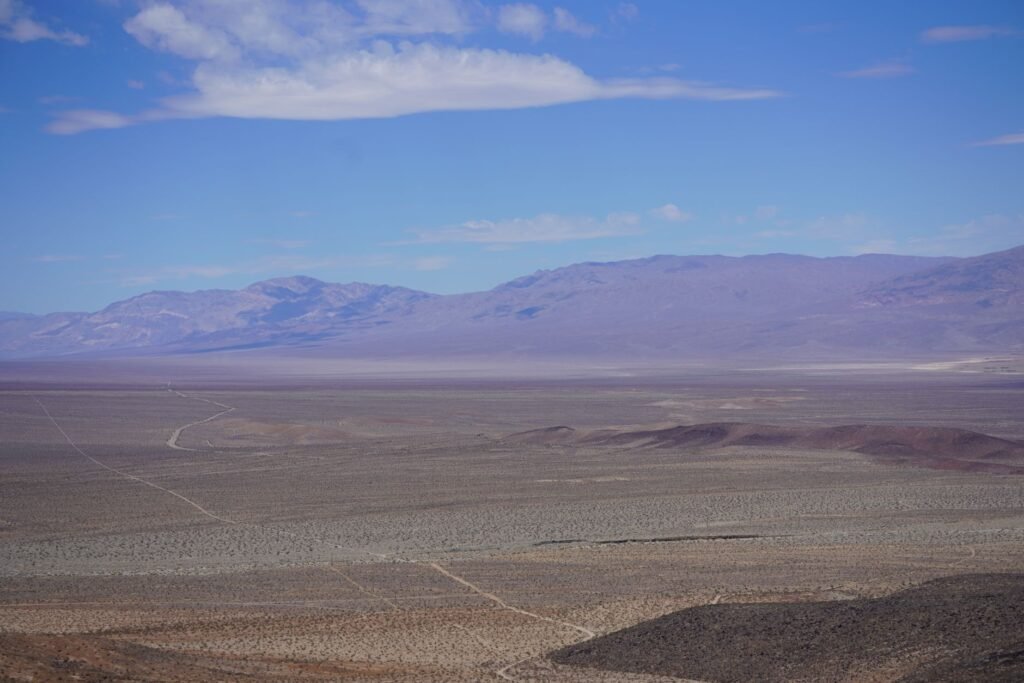
The hot desert climate of Nevada leads to several factors that affect car insurance rates. For instance, prolonged exposure to high temperatures can cause wear and tear on vehicles, making them more prone to breakdowns and accidents. Insurers may raise premiums to account for this increased risk. Additionally, the dry conditions can contribute to dust storms, which can limit visibility and increase the likelihood of accidents.
Furthermore, rural areas in Nevada may experience fewer traffic incidents compared to urban centers like Las Vegas, which can lead to varying premiums based on location. Insurers often consider these geographical differences when calculating Nevada weather car insurance rates. Drivers in urban areas might face higher costs due to a higher frequency of accidents and the associated weather impact insurance claims.
How Weather Conditions Affect Claims
The frequency and nature of insurance claims weather Nevada are also critical in shaping insurance costs. While Nevada is less prone to severe storms compared to other states, the state does experience occasional flash floods and windstorms. These weather events can lead to significant damage, prompting drivers to file claims that may influence future premiums.
According to the National Weather Service, the number of weather-related claims has been on the rise in recent years. This trend indicates that insurers may adjust their rates to mitigate potential losses. Therefore, understanding how Nevada’s climate impacts car insurance is essential for drivers looking to optimize their coverage and costs.
By staying informed about the unique factors influencing Nevada climate car insurance, drivers can better navigate their insurance options and potentially save on premiums. For more information on how to choose the right policy, consider exploring Nevada Weather Car Insurance Rates Explained.
Key Weather Factors Impacting Nevada Car Insurance
Extreme Temperatures and Insurance Costs
Nevada is known for its extreme temperatures, particularly in the summer months when temperatures can soar above 100°F. This intense heat can significantly impact vehicle performance and safety, leading to higher risk of breakdowns and accidents. As a result, Nevada weather car insurance rates are often influenced by the potential for heat-related claims. For instance, a study by NHTSA indicates that vehicles in extreme heat are more prone to tire blowouts and engine failures, which can lead to costly insurance claims.
Moreover, prolonged exposure to high temperatures can degrade vehicle materials, leading to more frequent repairs and insurance claims over time. This cyclical relationship means that insurers often adjust rates to reflect the increased risk associated with Nevada’s extreme summer heat.
Rainfall, Flooding, and Claims in Nevada
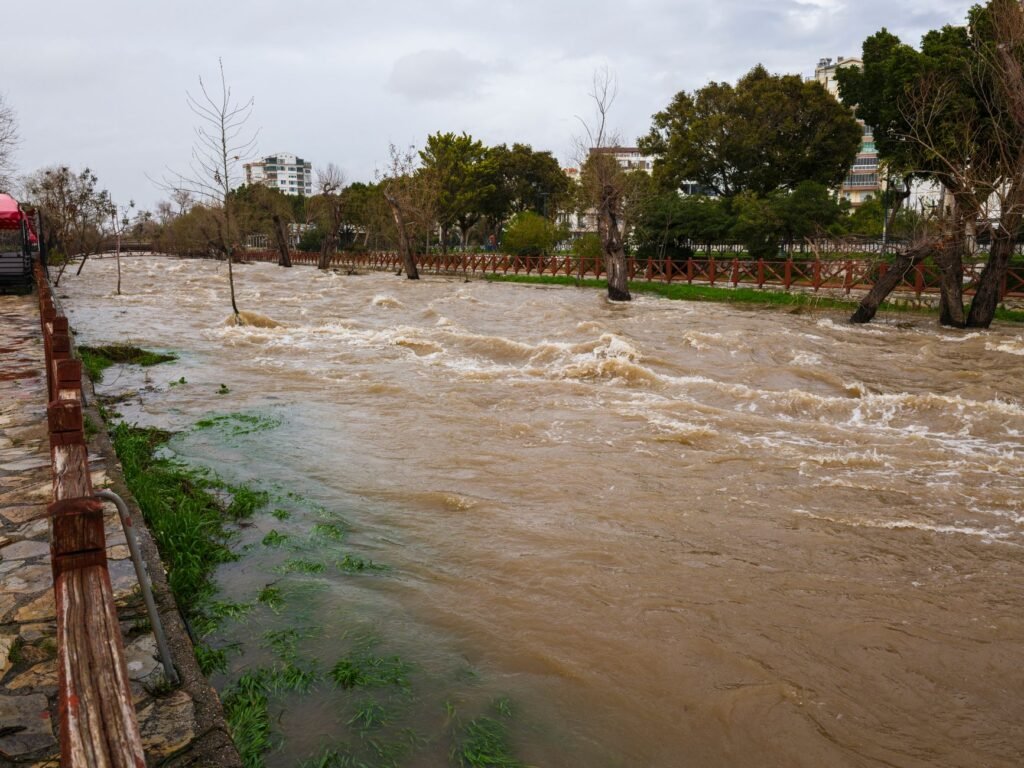
While Nevada is predominantly arid, it does experience sporadic rainfall, particularly in the winter months. These infrequent rain events can lead to flash flooding, which significantly impacts the insurance claims weather Nevada landscape. According to the National Weather Service, flash floods can occur with little warning, resulting in costly damages to vehicles and infrastructure.
Insurance companies take these factors into account when determining Nevada weather car insurance rates. A higher frequency of flooding claims during sudden storms can lead to increased premiums. For example, the FEMA reports that even a few inches of floodwater can cause significant damage to vehicles, leading to higher costs for insurers and ultimately, policyholders.
To mitigate these risks, Nevada residents are encouraged to consider comprehensive coverage options that protect against weather-related damages. Understanding how the unique Nevada climate car insurance factors influence premiums can empower drivers to make informed decisions about their insurance needs.
The Role of Insurance Providers in Weather Impact Insurance
Nevada Weather Car Insurance Rates and Risk Evaluation
Insurance providers play a crucial role in shaping Nevada weather car insurance rates by assessing the risks associated with the state’s unique climatic conditions. Insurers utilize historical weather data, geographic trends, and predictive models to evaluate the likelihood of weather-related incidents that could lead to insurance claims. In Nevada, where extreme weather events such as flash floods and dust storms can occur, understanding these risks is essential for both consumers and insurers.
Insurance companies analyze various factors, including the frequency of adverse weather events, the impact on roads and infrastructure, and historical claims data related to weather incidents. For instance, a surge in insurance claims due to severe weather can prompt providers to adjust their risk profiles and subsequently their rates. This evaluation process is integral to maintaining solvency while ensuring that policyholders receive fair coverage.
Adjusting Rates Based on Climate Patterns
As climate patterns shift, insurance providers continuously refine their pricing strategies for Nevada climate car insurance. This involves monitoring environmental changes and their potential implications on auto insurance claims. When insurers notice a correlation between increasing weather volatility and higher claim rates, they may respond by raising premiums to mitigate potential losses. Such adjustments can vary significantly between different regions within the state, emphasizing the importance of localized data in rate-setting.
For consumers, understanding how these adjustments influence Nevada weather car insurance rates is vital when shopping for coverage. Being aware of the potential for rate changes based on weather impact insurance can help drivers make informed decisions and choose policies that align with their risk tolerance and financial situations.

By staying informed about how insurance claims related to weather in Nevada are assessed, consumers can better navigate the complexities of their auto insurance options and potentially save money in the long run. For more insights on how these factors play into your insurance rates, consider exploring Nevada Weather Car Insurance Impact Explained.
Navigating Nevada Climate Car Insurance Options
Finding Affordable Coverage Amid Changing Nevada Weather Car Insurance Rates
Nevada’s diverse climate can lead to fluctuating car insurance rates, making it essential for drivers to find the best coverage at an affordable price. Factors such as heavy rains, flash floods, and summer heat can impact insurance claims weather Nevada, leading insurers to adjust their premiums regularly. To navigate this landscape, start by understanding your specific coverage needs and how they relate to the state’s weather patterns.
One effective strategy for finding affordable Nevada climate car insurance is to compare quotes from multiple providers. Many insurance companies offer online tools that allow you to quickly assess different policies tailored to the unique challenges posed by Nevada’s climate. Additionally, consider reaching out to local insurance agencies that may have insights into regional weather impacts on premiums.
Tips for Lowering Your Insurance Premiums
To effectively manage Nevada weather car insurance rates, here are some actionable tips:
- Bundle Policies: By combining your auto insurance with home or renter’s insurance, you can often secure a multi-policy discount.
- Improve Your Credit Score: A higher credit score can lead to lower premiums, as insurers often consider this a sign of responsible behavior.
- Choose Higher Deductibles: Selecting a higher deductible can reduce your monthly premium; however, ensure you can afford the deductible if you need to make a claim.
- Shop Around: Regularly comparing quotes can help you stay informed about the best rates in light of changing weather impact insurance conditions.
By employing these strategies and remaining vigilant about Nevada’s climate-related impacts on insurance rates, you can secure the coverage you need without breaking the bank. 
Preparing for Insurance Claims Weather Nevada
Weather-related incidents can significantly impact your vehicle and your finances. Understanding how to effectively prepare for insurance claims related to the weather is crucial, especially when evaluating Nevada weather car insurance rates. Taking proactive steps in documentation and communication can streamline the claims process and ensure you receive the coverage you deserve.
Documenting Weather-Related Incidents
Accurate documentation is vital when it comes to filing claims for weather-related damages. Start by taking detailed photographs of the damage, including any affected areas of your vehicle, surroundings, and weather conditions at the time of the incident. This visual evidence will be invaluable when communicating with your insurance company.
Additionally, keep a record of any relevant details such as:
- Date and time of the incident
- Location of the incident
- Type of weather involved (e.g., hail, flooding, snow)
- Witness statements if applicable
By compiling this information, you will create a comprehensive record that can support your claim and illustrate the weather impact insurance on your vehicle.
Understanding the Claims Process for Nevada Weather Car Insurance Rates
Once you have documented the incident, the next step is to initiate the claims process. Here’s a step-by-step overview:
- Contact Your Insurance Company: Notify them of the incident as soon as possible. Most insurers provide a dedicated claims hotline or online portal.
- Submit Your Documentation: Provide the photos and details you collected to your insurer. This will help establish the validity of your claim.
- Follow Up: Maintain open communication with your insurer. Ask for updates on your claim’s status and any additional information they may need.
- Receive a Claims Adjuster Evaluation: An adjuster may inspect your vehicle and assess the damage to determine the payout.
- Review Your Settlement: Once the claim is processed, carefully review the settlement offer to ensure it aligns with your policy terms.
Understanding the insurance claims weather Nevada process can alleviate stress and help you navigate through potential challenges. Remember, prompt and clear communication with your insurer, combined with thorough documentation, is key to a successful claim.

Conclusion: The Future of Nevada Weather Car Insurance Rates
Understanding Nevada weather car insurance rates is critical for drivers in the state. As discussed throughout this article, the unique climate and weather patterns in Nevada significantly influence car insurance premiums. From the arid desert conditions to the occasional severe storms, the state’s varied weather can lead to an increase in insurance claims, impacting rates and coverage options.
With the rise of extreme weather events, it is essential for consumers to stay informed about how these factors can affect their insurance costs. The importance of weather impact insurance cannot be overstated, particularly in regions prone to natural disasters. By understanding the relationship between Nevada’s climate and car insurance, drivers can make more informed choices when selecting their coverage.
To ensure that you are getting the best rates possible, it is advisable to regularly review your insurance policy. Consider how the Nevada climate car insurance landscape may change and assess whether your current coverage aligns with your needs. Additionally, being proactive in understanding insurance claims weather Nevada can help you navigate the claims process more efficiently when adverse weather strikes.
As we look to the future, it is clear that factors such as climate change and evolving weather patterns will continue to shape the landscape of car insurance in Nevada. By staying educated and adaptable, consumers can better prepare for fluctuations in Nevada weather car insurance rates and ensure they are adequately protected.

Understanding Nevada weather car insurance rates is essential for drivers looking to protect themselves from the unique climate challenges the state presents. Factors such as extreme temperatures, rain, and even snow can significantly influence your insurance premiums. By acknowledging the weather impact on insurance, you can make informed decisions that may lead to lower rates and better coverage options.
For those navigating the complexities of Nevada climate car insurance, it’s wise to regularly review your policy and consider how recent weather patterns may affect your risk profile. Additionally, being proactive about potential insurance claims related to weather in Nevada can help you avoid surprises when it matters most. Take the time to compare quotes and coverage options to find the best fit for your needs. Start by reaching out to local insurance providers to discuss how Nevada weather car insurance rates can be tailored specifically to you.
“`html
How does Nevada weather affect car insurance rates?
Nevada weather can significantly influence car insurance rates due to the state’s varied climate conditions. Factors such as extreme heat, heavy rain, and occasional snow can increase the likelihood of accidents and vehicle damage. As a result, insurers may adjust their rates based on the perceived risks associated with different weather scenarios. Drivers in areas with severe weather might face higher premiums compared to those in more temperate regions.
What weather factors influence car insurance premiums in Nevada?
Several weather factors impact car insurance premiums in Nevada, including temperature fluctuations, precipitation patterns, and seasonal weather events. For example, areas prone to flash floods or dust storms may experience higher rates due to increased accident risks. Additionally, the state’s high summer temperatures can lead to vehicle wear and tear, prompting insurers to factor these risks into their Nevada climate car insurance pricing models.
Are insurance claims higher during certain weather conditions in Nevada?
Yes, insurance claims tend to rise during certain weather conditions in Nevada. For instance, heavy rain can lead to flooding and car accidents, resulting in a spike in claims. Similarly, during the winter months, snow and icy conditions increase the likelihood of collisions. Insurers track these trends to adjust their rates accordingly, reflecting the increased risk during adverse weather conditions.
How can I find the best car insurance rates in Nevada?
Finding the best car insurance rates in Nevada involves comparing quotes from multiple providers. Online tools and comparison websites can help you evaluate different policies based on coverage options and prices. Additionally, consider factors like your driving history, the type of vehicle, and any discounts you might qualify for. Understanding how Nevada weather car insurance rates vary by region can also guide your decision-making process.
What should I do if my car is damaged due to weather in Nevada?
If your car is damaged due to weather in Nevada, the first step is to assess the extent of the damage. Document everything with photos and notes, then contact your insurance provider to report the incident. Depending on your policy, you may be covered for weather-related damage. Be prepared to provide details about the incident and any relevant documentation to support your claim.
How do insurance providers determine rates based on Nevada’s climate?
Insurance providers assess various factors to determine rates based on Nevada’s climate, including historical weather data, accident statistics, and regional risks. They analyze how often weather events lead to claims and adjust their pricing models accordingly. For example, areas more susceptible to severe weather may have higher premiums to account for the increased likelihood of accidents and damage, reflecting the impact of the Nevada climate on insurance rates.
“`