The Nevada weather car insurance impact is a crucial aspect for drivers in the Silver State, as the unique climate and susceptibility to natural disasters can significantly influence car insurance rates and coverage options. Understanding how weather-related claims in NV affect insurance premiums is essential for both new and seasoned drivers. This article delves into the relationship between Nevada’s diverse weather patterns and car insurance costs, examining how seasonal trends and natural disasters insurance play a pivotal role in shaping car insurance rates in Nevada. Additionally, we will provide practical tips for minimizing the impact of adverse weather conditions on your car insurance. By the end of this article, readers will have a clearer understanding of how Nevada’s weather can affect their insurance policies and the steps they can take to protect themselves financially. For further insights into this topic, please refer to resources like the Nevada State Government and insurance regulatory bodies.
Understanding the Nevada Weather Car Insurance Impact
Climate Overview of Nevada
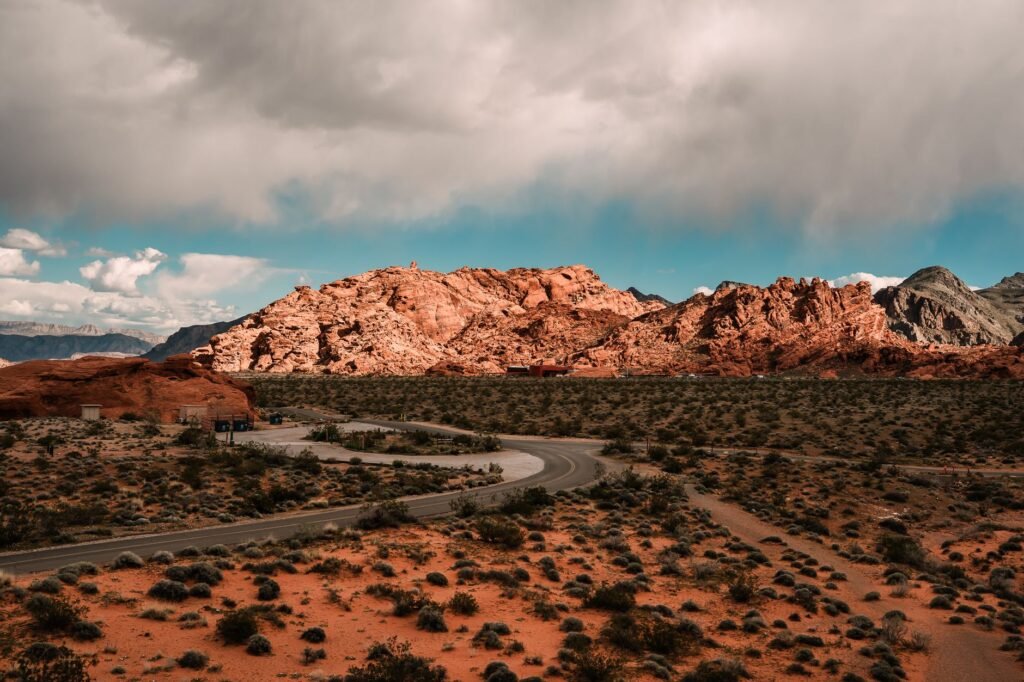
Nevada is known for its diverse climate, characterized by extreme temperatures and varying weather conditions. The state experiences scorching summers, particularly in the southern regions, where temperatures can soar above 100°F. In contrast, northern Nevada has cooler winters, often accompanied by snowfall in mountainous areas. These dramatic shifts in temperature and precipitation contribute to a unique set of challenges for drivers and insurers alike.
The geographic diversity also means that certain areas are more prone to specific weather events. For instance, flash floods can occur in desert regions after heavy rains, while snowstorms can impact travel in the higher elevations. These varied conditions lead to increased risks for vehicles, prompting insurers to be more cautious, which ultimately affects car insurance rates in Nevada.
How Weather Affects Car Insurance Rates: The Nevada Weather Car Insurance Impact
The correlation between Nevada’s weather conditions and the likelihood of weather-related claims NV is significant. Insurers often analyze historical data to assess risks, and areas that frequently experience adverse weather conditions may see higher car insurance rates. For example, regions prone to flash flooding or heavy snowfall may lead to an uptick in claims for vehicle damage, prompting insurers to adjust their rates accordingly.
Additionally, natural disasters insurance plays a crucial role in this landscape. As Nevada faces risks from wildfires and severe storms, the potential for catastrophic damage increases. Insurers must account for these possibilities when setting premiums, leading to a broader impact on car insurance rates Nevada drivers face.
Understanding the Nevada weather car insurance impact is crucial for drivers looking to protect themselves financially. By recognizing the risks associated with diverse weather patterns, drivers can make informed decisions when selecting their insurance policies and coverage options.

Natural Disasters and Their Effect on Car Insurance Rates in Nevada
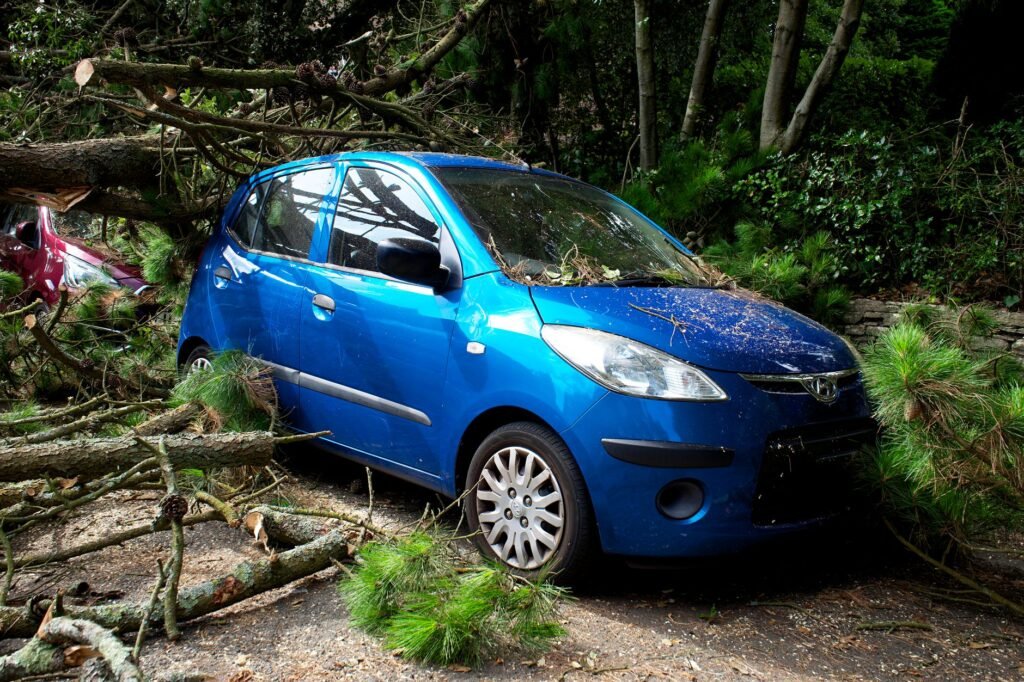
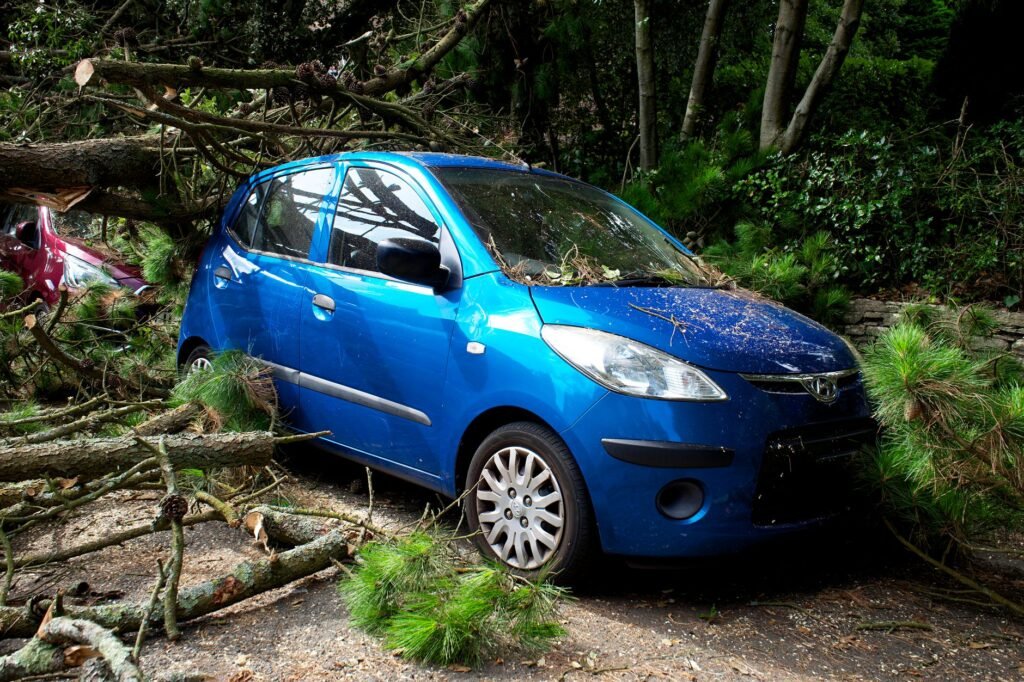
Nevada is no stranger to natural disasters, and these events can significantly influence car insurance rates across the state. Understanding the types of disasters that can occur and how they affect insurance policies is crucial for Nevada residents. The Nevada weather car insurance impact is primarily felt through increased claims and higher premiums associated with incidents like floods, wildfires, and heavy storms.
Types of Natural Disasters in Nevada
Several natural disasters pose a risk to Nevada, including:
- Floods: Particularly common in areas prone to flash flooding, which can damage vehicles and lead to costly claims.
- Wildfires: With their prevalence during the dry months, wildfires can devastate property and increase insurance claims related to vehicle damage.
- Heavy Storms: Severe storms often bring hail and strong winds, which can result in significant damage to cars.
These disasters lead to a rise in weather-related claims in NV, putting pressure on insurance companies and ultimately resulting in increased car insurance rates in Nevada. As insurers assess the risks associated with these natural disasters, they may adjust their rates to account for the heightened likelihood of claims.
Insurance Coverage for Natural Disasters
To protect against the financial impact of natural disasters, residents should consider investing in comprehensive auto insurance policies that cover a wide range of risks. Natural disasters insurance can provide essential protection for vehicle damage stemming from unforeseen events. Here are some actionable steps residents can take:
- Review your current policy to ensure it covers damage from floods, wildfires, and storms.
- Consider adding natural disaster coverage if it’s not already part of your plan.
- Stay informed about local weather patterns and potential risks to prepare for future events.
By taking these steps, Nevada residents can mitigate the Nevada weather car insurance impact and ensure they have adequate protection against the financial repercussions of natural disasters.
Seasonal Trends in Car Insurance Rates in Nevada
Nevada Weather Car Insurance Impact: Winter Weather Impacts
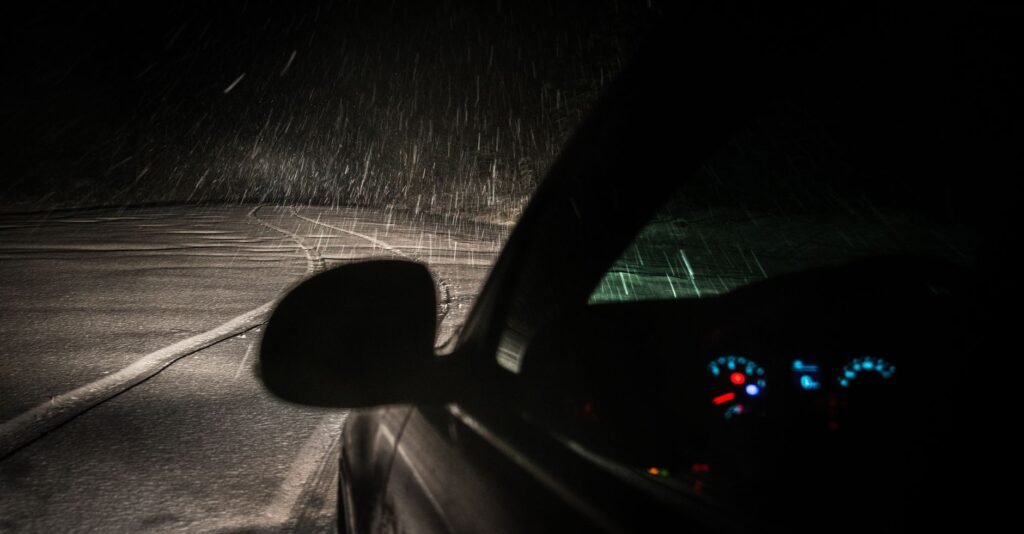
Nevada’s winter months frequently bring challenges such as snow and ice, especially in mountainous regions. These winter conditions can significantly influence car insurance rates in Nevada. During this season, the likelihood of accidents increases, leading to a rise in weather-related claims NV. According to the Nevada Department of Transportation, certain areas, particularly in the northern part of the state, can experience heavy snowfall, which can lead to hazardous driving conditions.
Insurance companies often adjust their rates in response to the increase in claims during winter. For instance, insurers may raise premiums for drivers in areas more prone to snow and ice. Understanding these seasonal trends can help drivers anticipate changes in their insurance costs and possibly seek out discounts or coverage adjustments before winter arrives.
Summer Risks and Insurance Rates
As the seasons shift to summer, Nevada faces its own set of challenges, including extreme heat and dry conditions. These factors can lead to an uptick in natural disasters insurance claims related to wildfires and accidents caused by overheating vehicles. The National Interagency Fire Center reports that the risk of wildfires is particularly high during the summer months, which can affect car insurance rates Nevada-wide.
Insurance companies may also evaluate the risk of vehicle damage due to severe weather conditions and adjust their rates accordingly. For example, excessive heat can lead to tire blowouts or engine failures, prompting insurers to account for these risks when calculating premiums. By staying informed about these seasonal risks, drivers can make proactive decisions regarding their car insurance coverage to better manage costs associated with the Nevada weather car insurance impact.
understanding the seasonal trends in Nevada’s weather is crucial for drivers. By recognizing how winter and summer conditions affect car insurance rates, individuals can make informed decisions and take appropriate measures to mitigate risks and expenses.
Tips for Minimizing the Nevada Weather Car Insurance Impact
Choosing the Right Coverage to Mitigate Nevada Weather Car Insurance Impact
When considering car insurance in Nevada, selecting the right coverage is essential to mitigate the Nevada weather car insurance impact. Given the state’s susceptibility to extreme weather conditions, including flash floods and severe heat, drivers should consider comprehensive coverage. This type of insurance protects against a range of weather-related claims NV, from hail damage to theft during natural disasters.
Additionally, opting for policies that include natural disasters insurance can provide extra peace of mind. For instance, if you live in areas prone to flash flooding or wildfires, ensuring your coverage includes these specific risks can save you significant repair costs.
It’s also advisable to regularly review your policy limits. As car insurance rates Nevada can vary due to weather-related claims, staying informed about your coverage can help you avoid underinsurance during severe weather events.
Preventative Measures for Drivers
Implementing preventative measures can significantly reduce your risk and potentially lower your insurance premiums. Here are some key actions drivers can take:
- Regular Vehicle Maintenance: Consistent upkeep of your vehicle, including checking tire pressure and fluid levels, can enhance safety and reduce the likelihood of accidents caused by weather conditions.
- Installing Safety Features: Equipping your vehicle with advanced safety features, such as anti-lock brakes and electronic stability control, can not only enhance your safety on the road but may also qualify you for discounts on your insurance premiums.
- Utilizing Weather Apps: Staying informed about weather conditions through mobile apps can help you plan your travels better and avoid adverse weather, thereby reducing the risk of accidents.
By choosing appropriate coverage and taking proactive steps, you can significantly mitigate the Nevada weather car insurance impact, ensuring both your safety and financial security.
Conclusion: The Importance of Understanding Weather’s Impact on Car Insurance
Understanding the Nevada weather car insurance impact is crucial for drivers in the state. Nevada’s diverse climate, ranging from scorching summers to unpredictable winter storms, significantly influences car insurance rates and coverage requirements. As discussed, weather-related claims in NV can lead to higher premiums, especially in areas prone to natural disasters such as floods or wildfires. Recognizing these patterns helps drivers make informed decisions about their insurance needs.
It’s essential to be proactive about your coverage. Review your current policy to ensure it adequately addresses the risks associated with Nevada’s unique climate. This includes considering comprehensive coverage, which can protect against weather-related damages, as well as understanding how natural disasters insurance can provide further peace of mind. By being aware of the factors that contribute to car insurance rates in Nevada, drivers can avoid unexpected costs and ensure that they are adequately covered in the event of an incident.
Moreover, staying informed about changing weather patterns can aid in predicting potential spikes in car insurance rates in Nevada. For instance, after a particularly harsh winter, insurers may adjust their rates based on the volume of claims received. Therefore, keeping an eye on the weather and its implications on insurance can lead to smarter financial planning.
understanding the Nevada weather car insurance impact is not just about compliance but about safeguarding your financial future. By being aware of how weather influences insurance rates and claims, you can make better choices, ensuring that you have the right coverage for your needs.

Understanding the Nevada weather car insurance impact is crucial for residents navigating the complexities of auto insurance in the state. With the increased frequency of weather-related claims in NV, insurers are adjusting car insurance rates in Nevada to reflect the heightened risk associated with natural disasters. Being proactive can help drivers find the most suitable coverage, ensuring they are protected against unexpected events.
As you evaluate your options, consider looking into natural disasters insurance and what it entails for vehicle protection. Engaging with your insurance provider to discuss the specifics of your policy can provide clarity on how Nevada’s unique climate influences your coverage. Taking the time to understand these factors will empower you to make informed decisions that safeguard both your vehicle and your finances.
“`html
How does Nevada weather affect car insurance rates?
Nevada weather can significantly influence car insurance rates due to the state’s diverse climate conditions. For example, areas prone to heavy rainfall, flooding, or snow may see higher rates because of the increased risk of accidents. Insurers evaluate local weather patterns and adjust premiums accordingly. Additionally, the frequency of severe weather events can lead to a rise in claims, further impacting overall car insurance rates in Nevada. Understanding the Nevada weather car insurance impact helps consumers make informed decisions when selecting coverage.
What are common weather-related claims in NV?
In Nevada, common weather-related claims include those arising from flash floods, hail damage, and accidents related to snow or icy conditions. Flash floods can severely damage vehicles, leading to costly repairs. Hailstorms, although less frequent, can also cause significant damage to car exteriors. Additionally, winter weather in certain regions may lead to increased vehicular accidents, resulting in claims. Insurers track these weather-related claims in NV to assess risks and adjust premiums accordingly.
Do natural disasters impact my car insurance premiums?
Yes, natural disasters can impact your car insurance premiums. If you live in an area prone to wildfires, floods, or severe storms, insurers may raise your rates to account for the higher risk of claims. This is particularly relevant in Nevada, where certain regions face unique natural disaster risks. It is essential to understand how natural disasters insurance works and to regularly review your policy to ensure adequate coverage without excessive premiums.
How can I lower my car insurance rates in Nevada?
To lower your car insurance rates in Nevada, consider several strategies. First, maintain a clean driving record free of accidents and violations, as this can greatly reduce your premium. Additionally, shop around for quotes from different insurers to find the best rates. You can also increase your deductible and take advantage of discounts for bundling policies or for being a good student. Regularly reviewing your coverage can help ensure you are not overpaying and are adequately protected from the Nevada weather car insurance impact.
What types of coverage should I consider for Nevada’s climate?
When considering coverage for Nevada’s climate, it’s essential to include comprehensive and collision coverage. Comprehensive coverage protects against non-collision incidents like theft, vandalism, and weather-related damage. Collision coverage is crucial for accidents, particularly in areas prone to severe weather that may lead to increased accident rates. Additionally, consider uninsured motorist coverage, which can be beneficial given the state’s driving conditions. Understanding the unique weather-related claims NV can help you tailor your policy effectively.
Are there seasonal variations in car insurance rates in Nevada?
Yes, there can be seasonal variations in car insurance rates in Nevada. During winter months, areas that experience snow and ice may see higher rates due to increased accident risks. Conversely, in the summer, rates may stabilize or even decrease in regions that are less affected by severe weather. Insurers often adjust rates based on typical seasonal weather patterns and driving conditions, making it important to stay informed about how these variations can affect your premiums.
“`